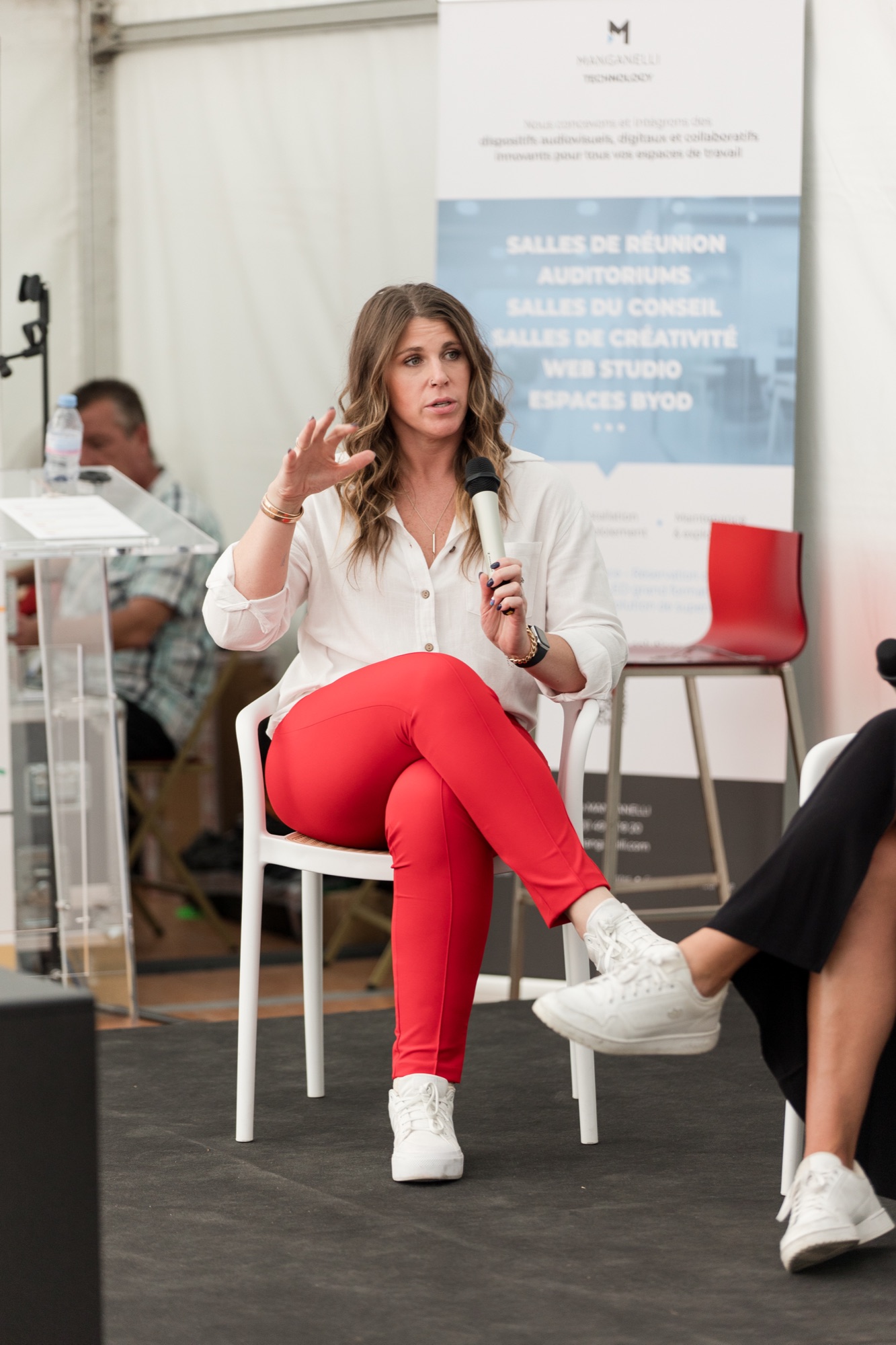
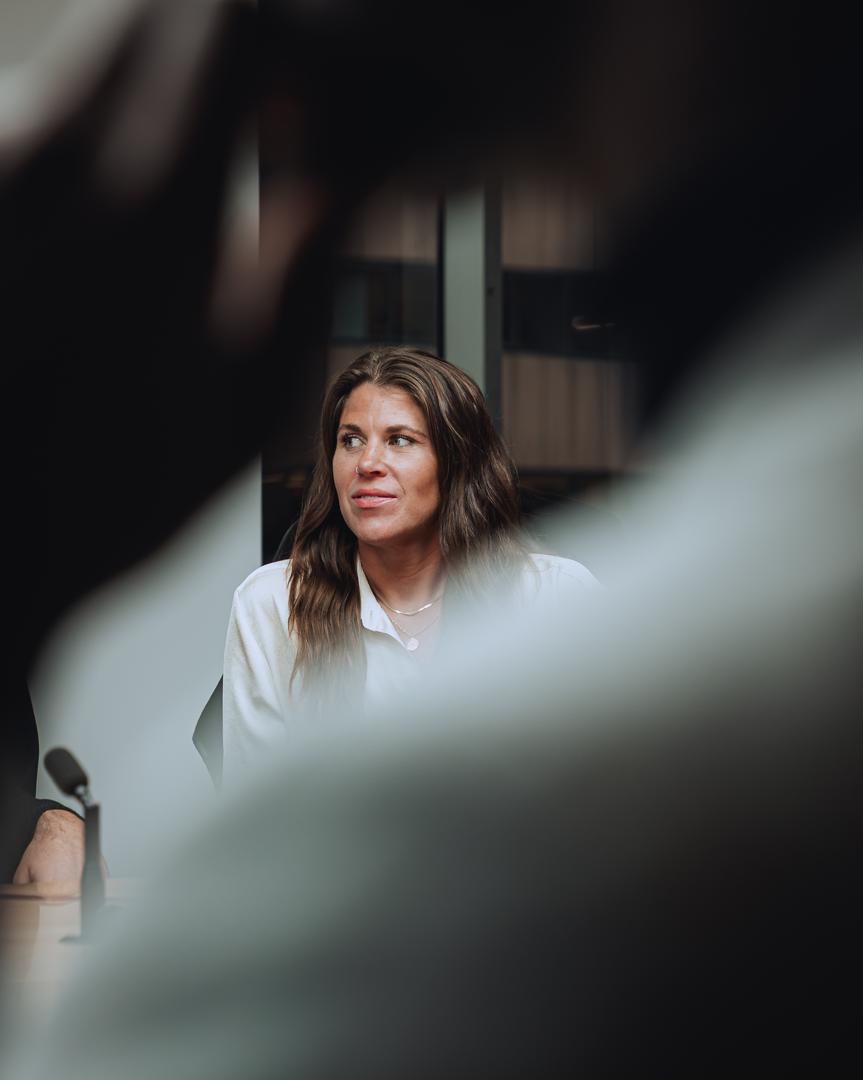
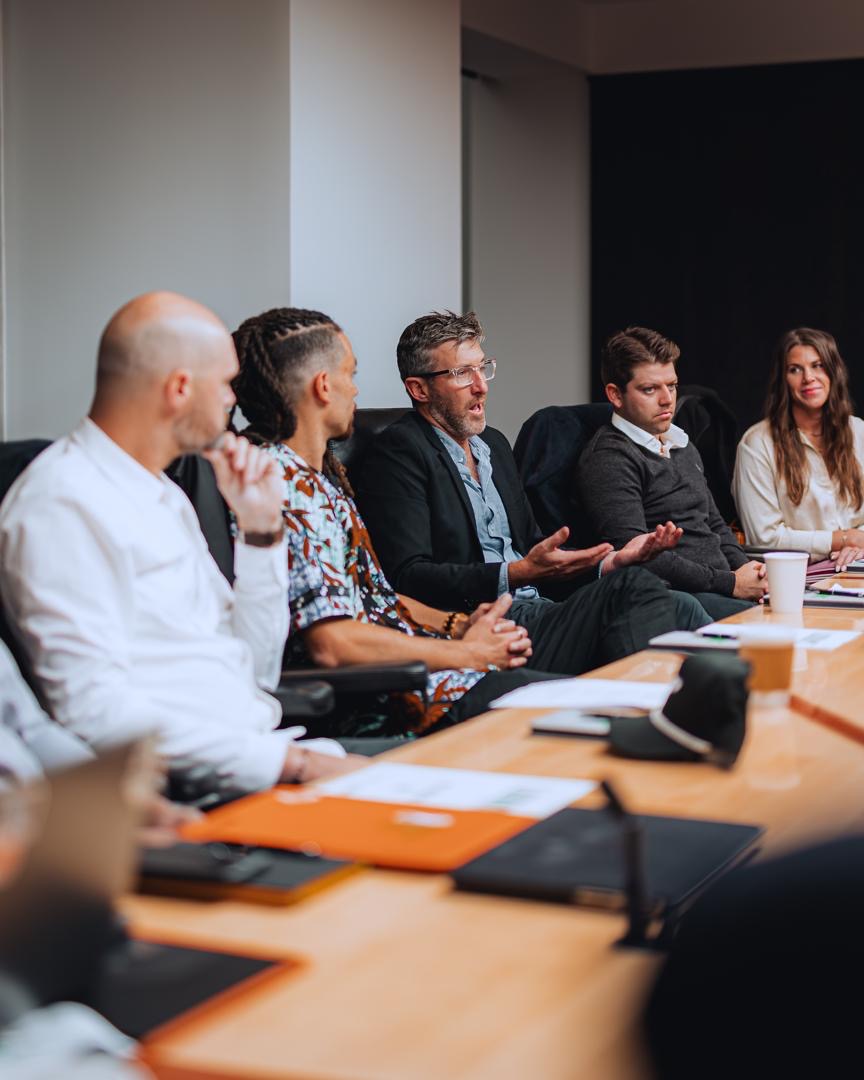
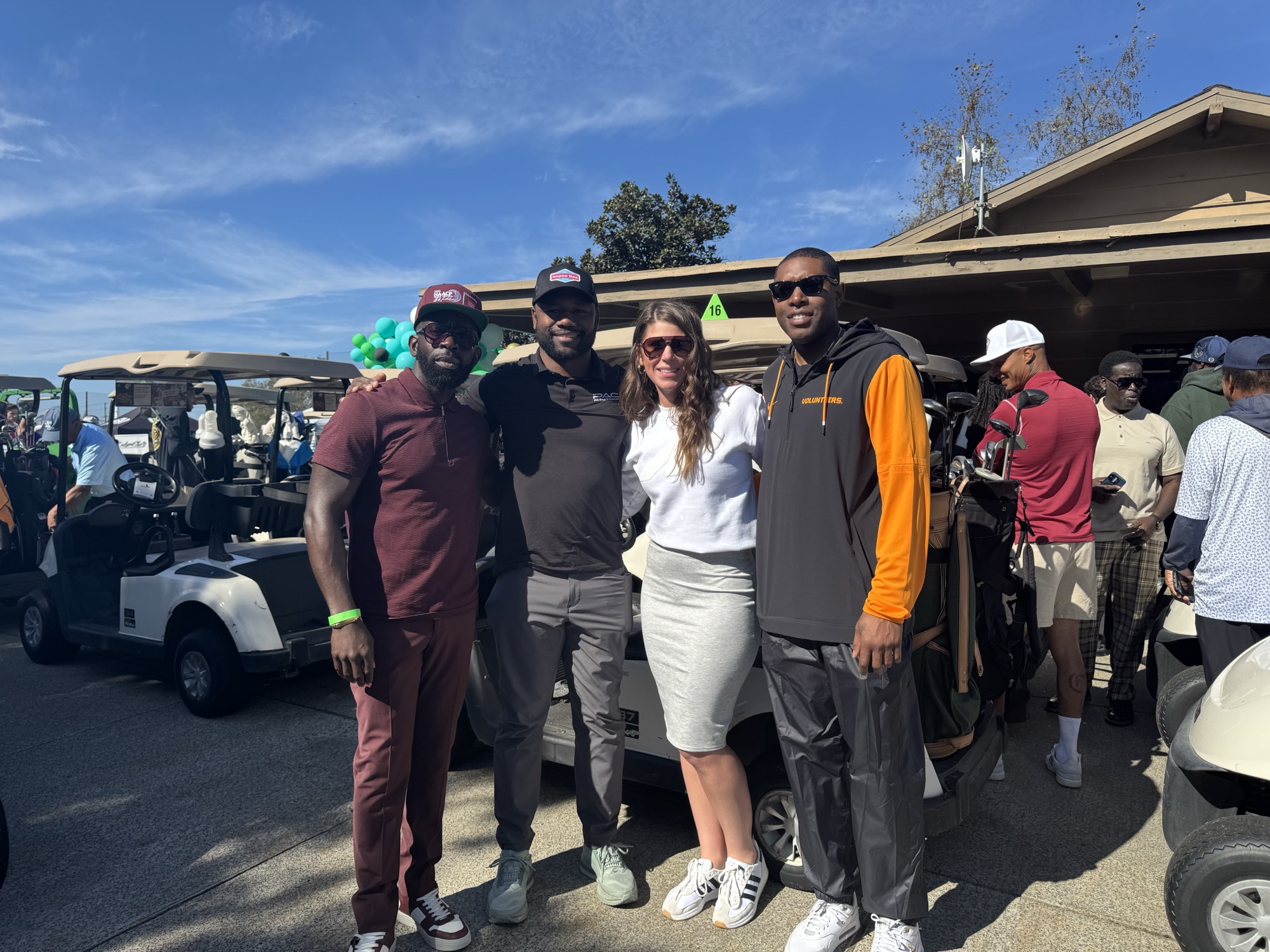
Sideline bench. Lab bench. Board table.
Same person at all three — connecting the athlete to the science, the science to the capital, and the capital back to the people who make it all move.
Started where the resources didn't.
Early on it was government and nonprofit work — where there's never enough budget to build anything new. You learn fast how to borrow ideas, remix what's already working somewhere else, and build relationships because that's literally the only currency you've got. That stuck with me more than anything.
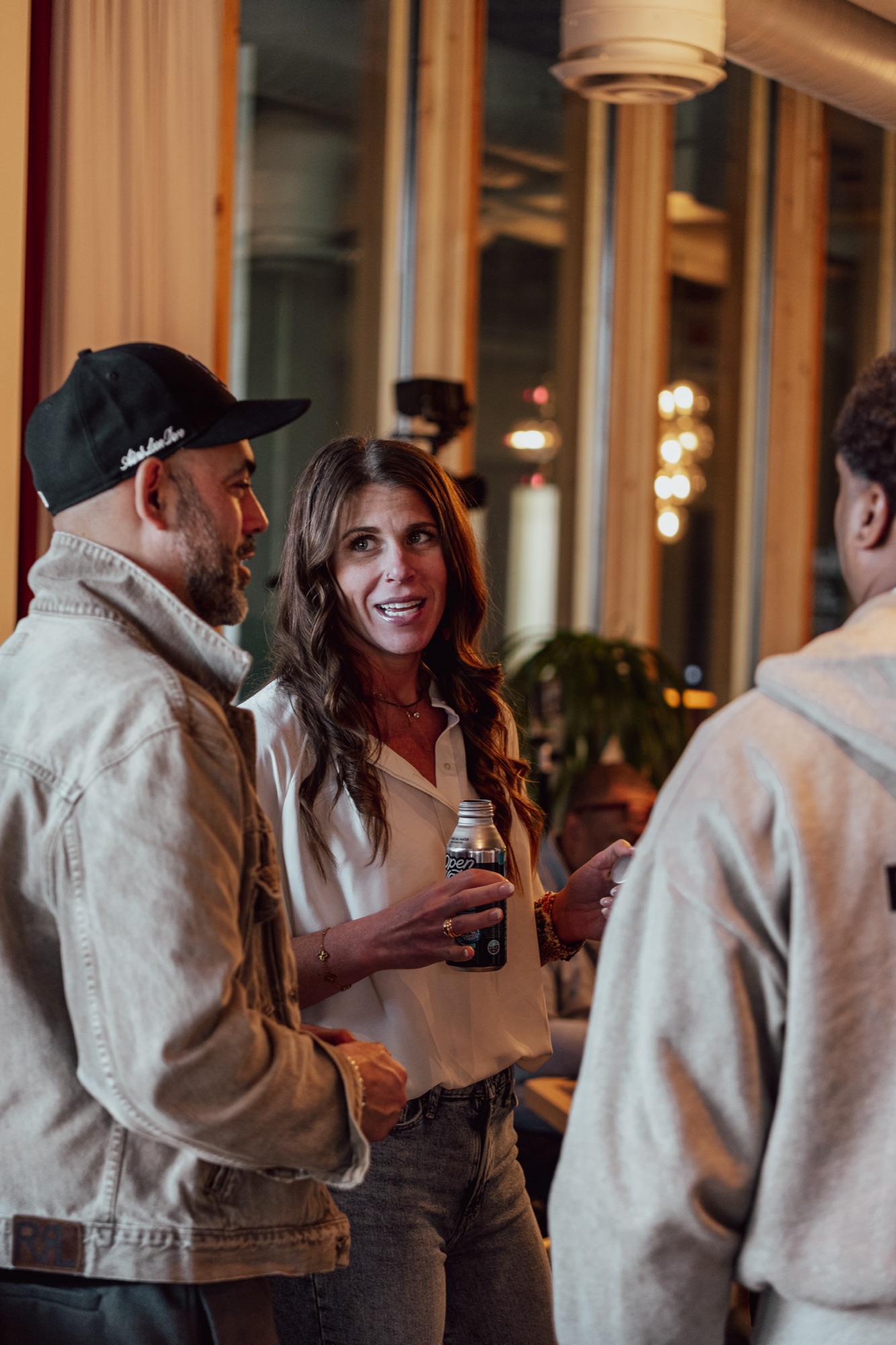
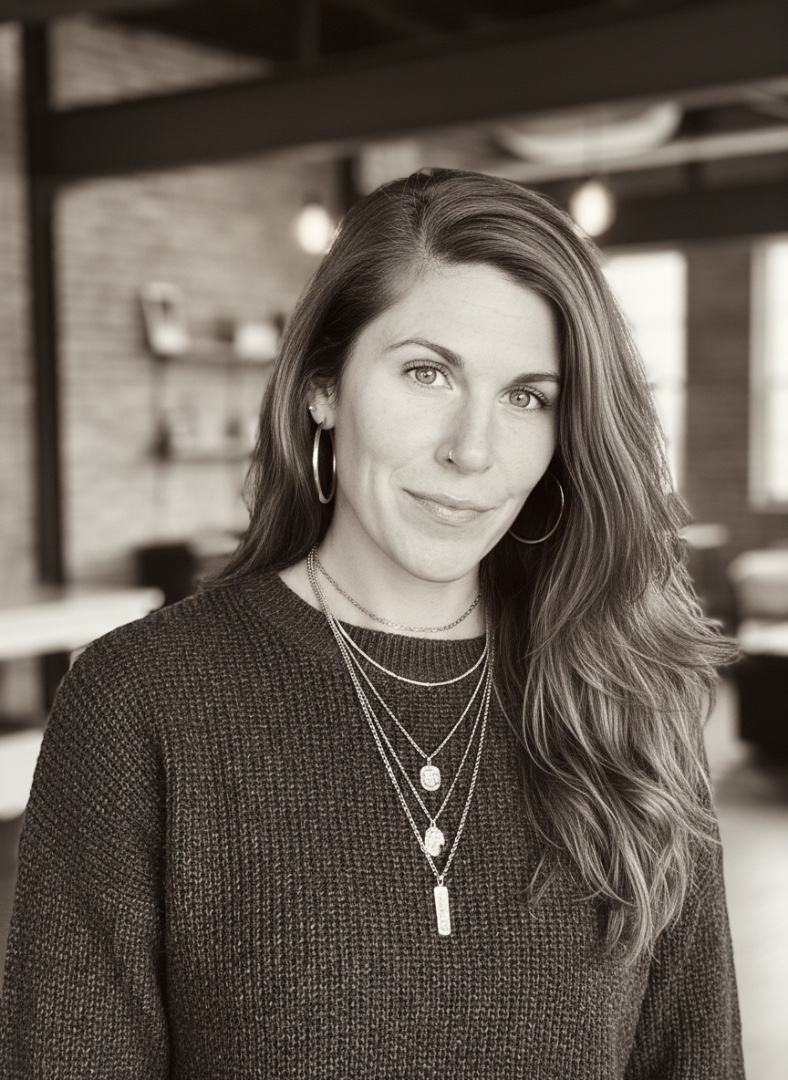
Emily Breunig — Founder, Honeycomb Consultancy
Brilliant science, siloed everywhere.
Biomedical research at UW School of Medicine & Public Health — running clinical trials, managing research programs, navigating the FDA regulatory stuff. Fascinating science, but everything was siloed. Brilliant people building tools that could change entire industries, and nobody outside their lab even knew the work existed.
Then science walked into the locker room.
At Isomark, I ran athletic metabolism and recovery studies with University of Wisconsin football and rowing — watching breath-based diagnostics designed for ICU patients reveal how athletes metabolize and recover. Same technology. Completely different application. That's the pattern I've been chasing ever since.
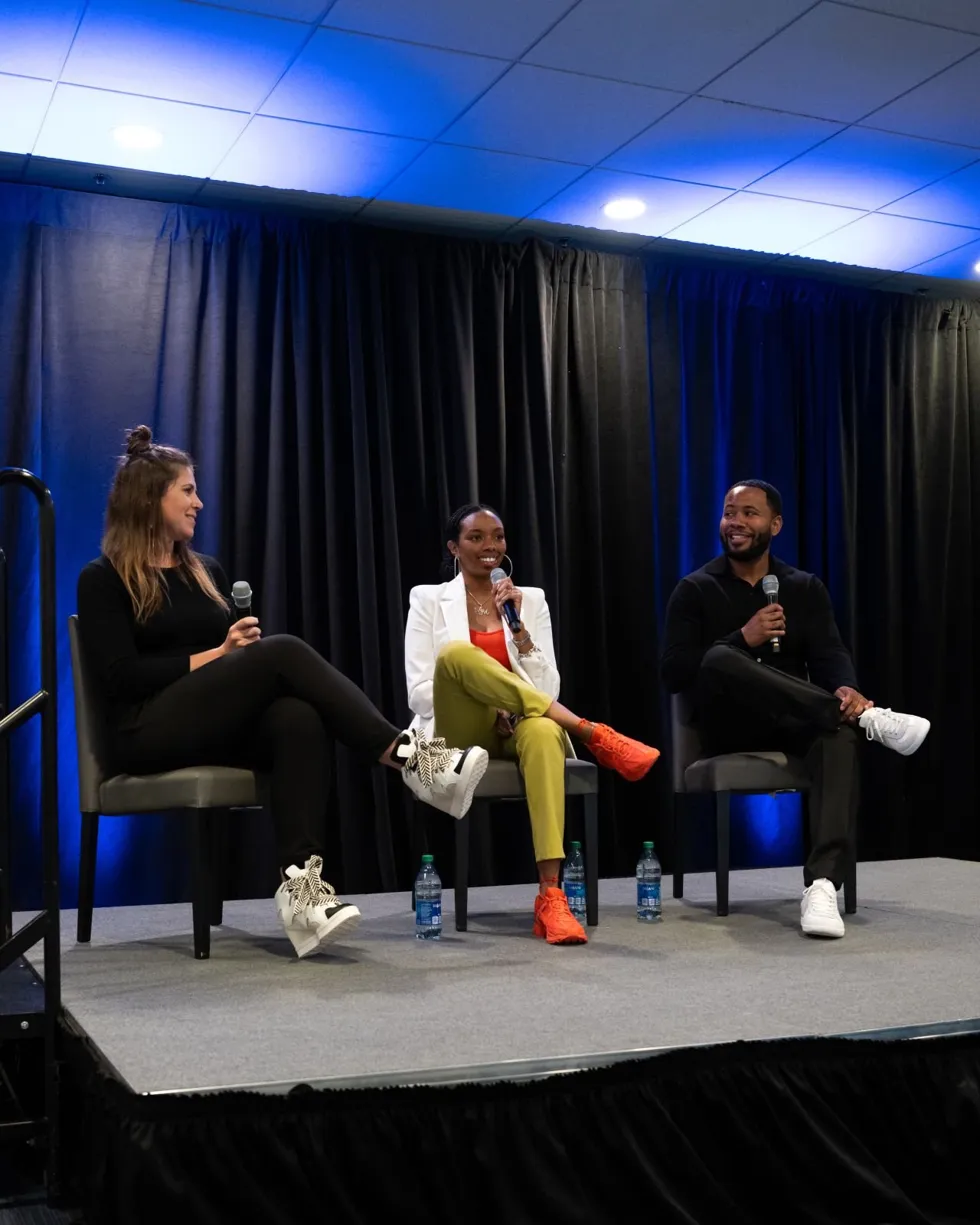
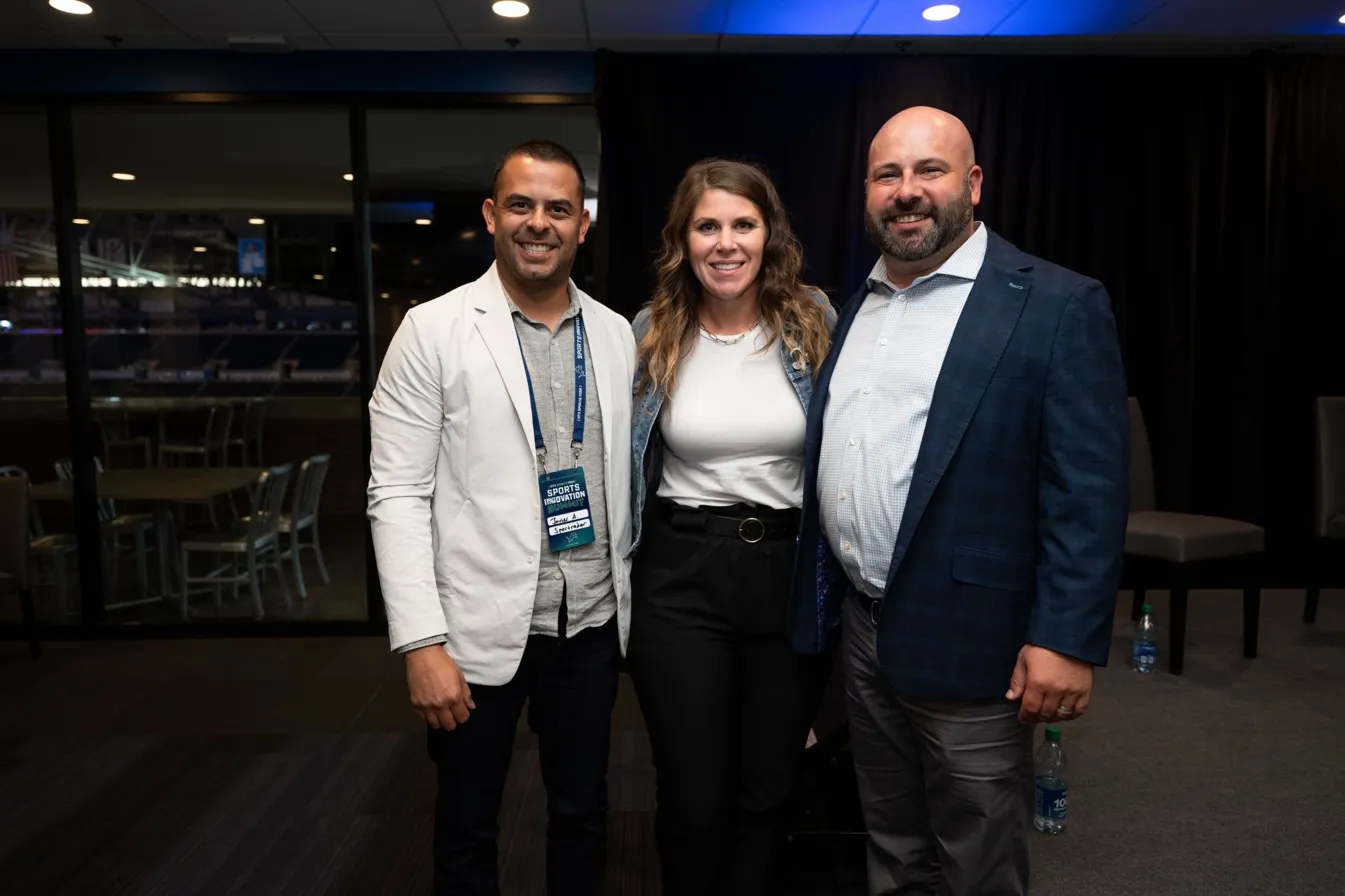
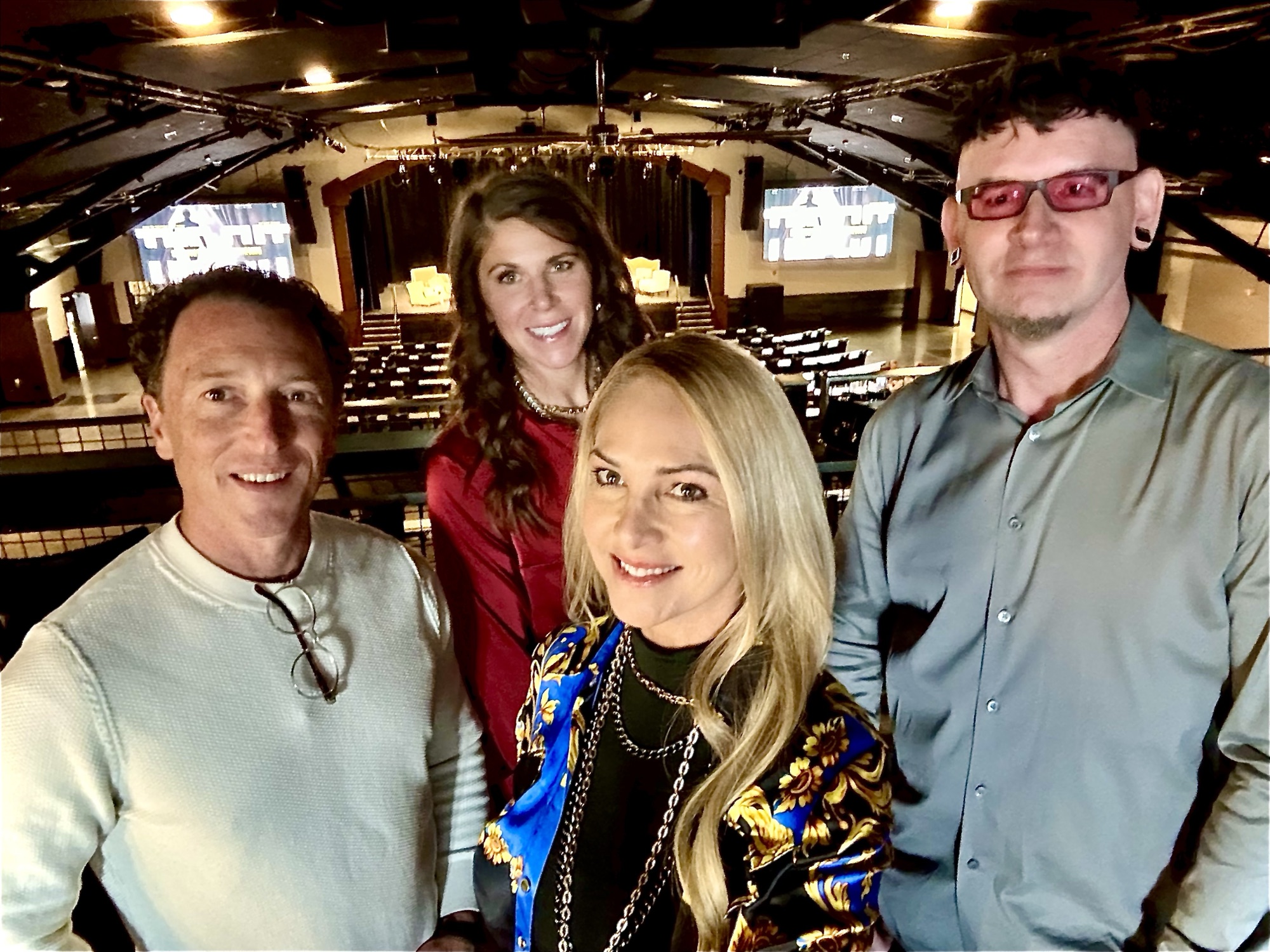
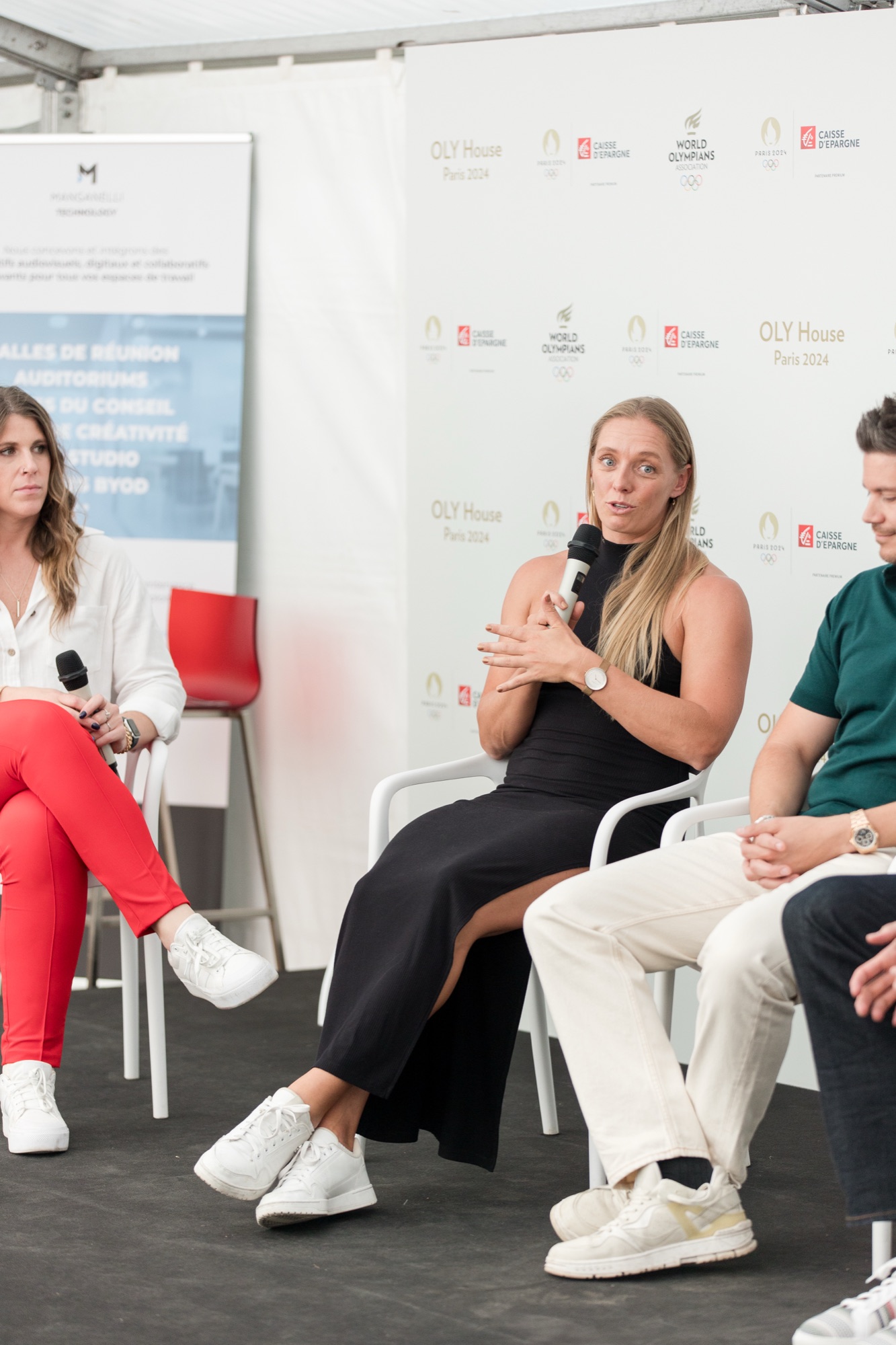
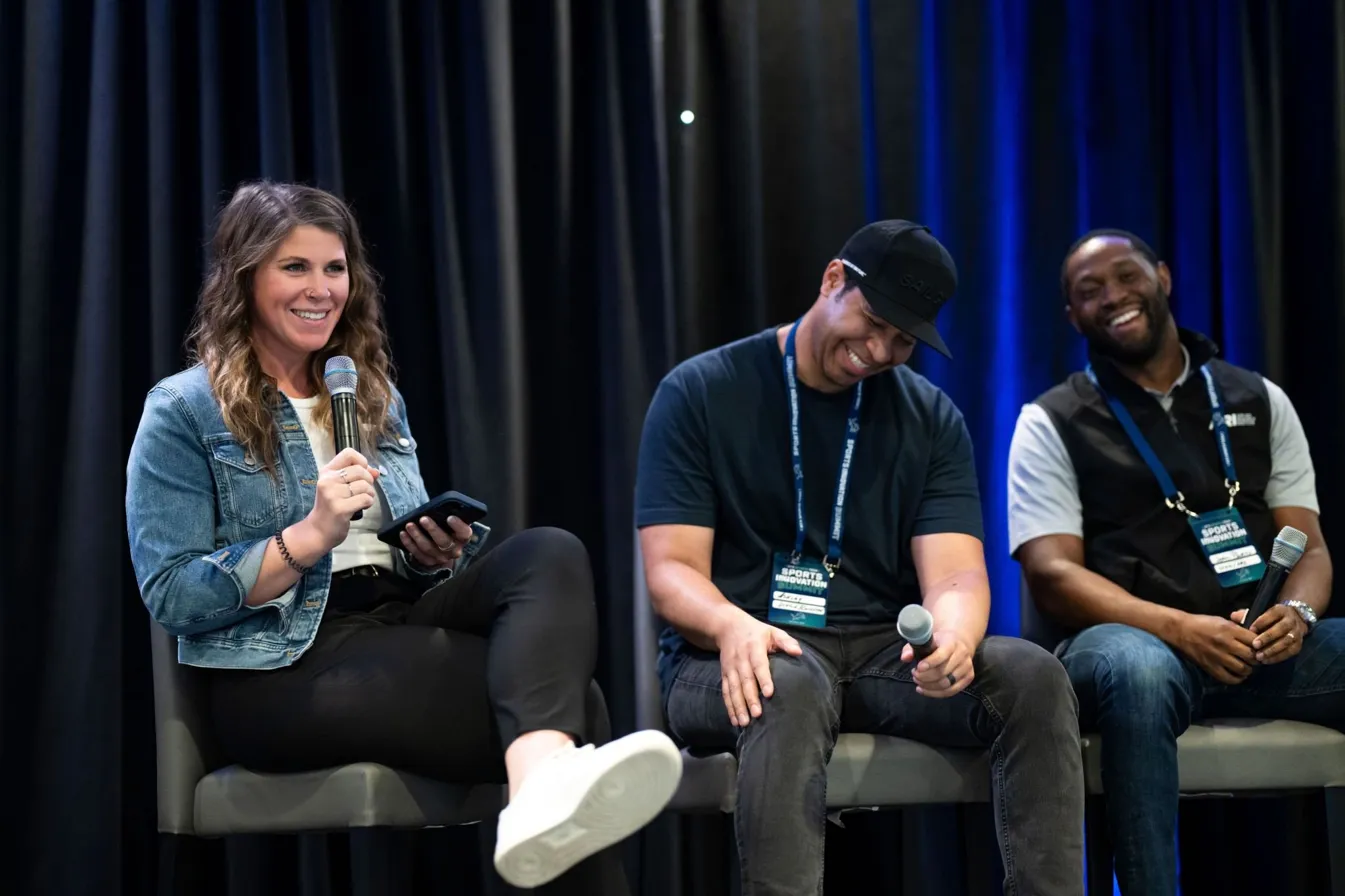
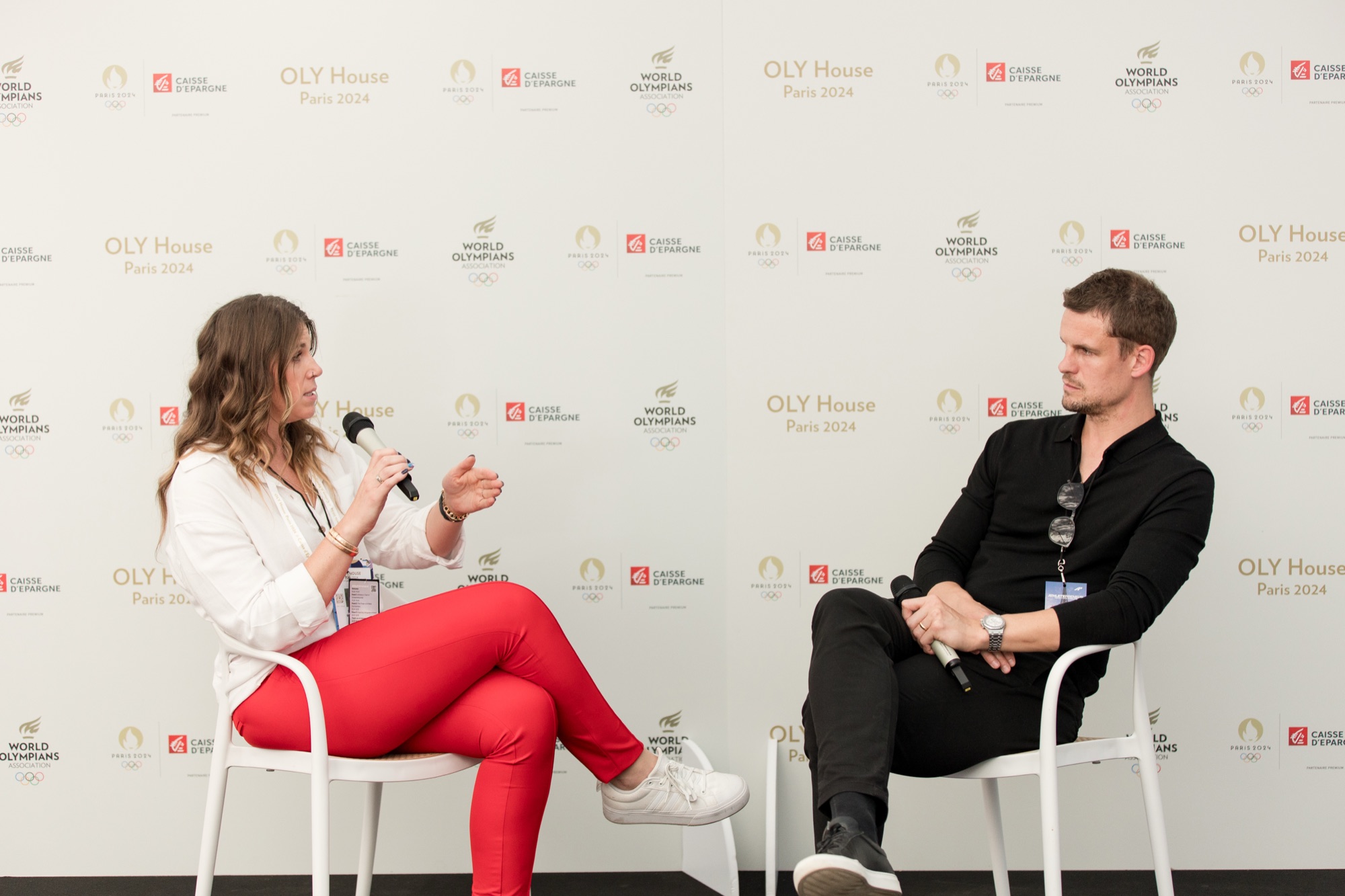
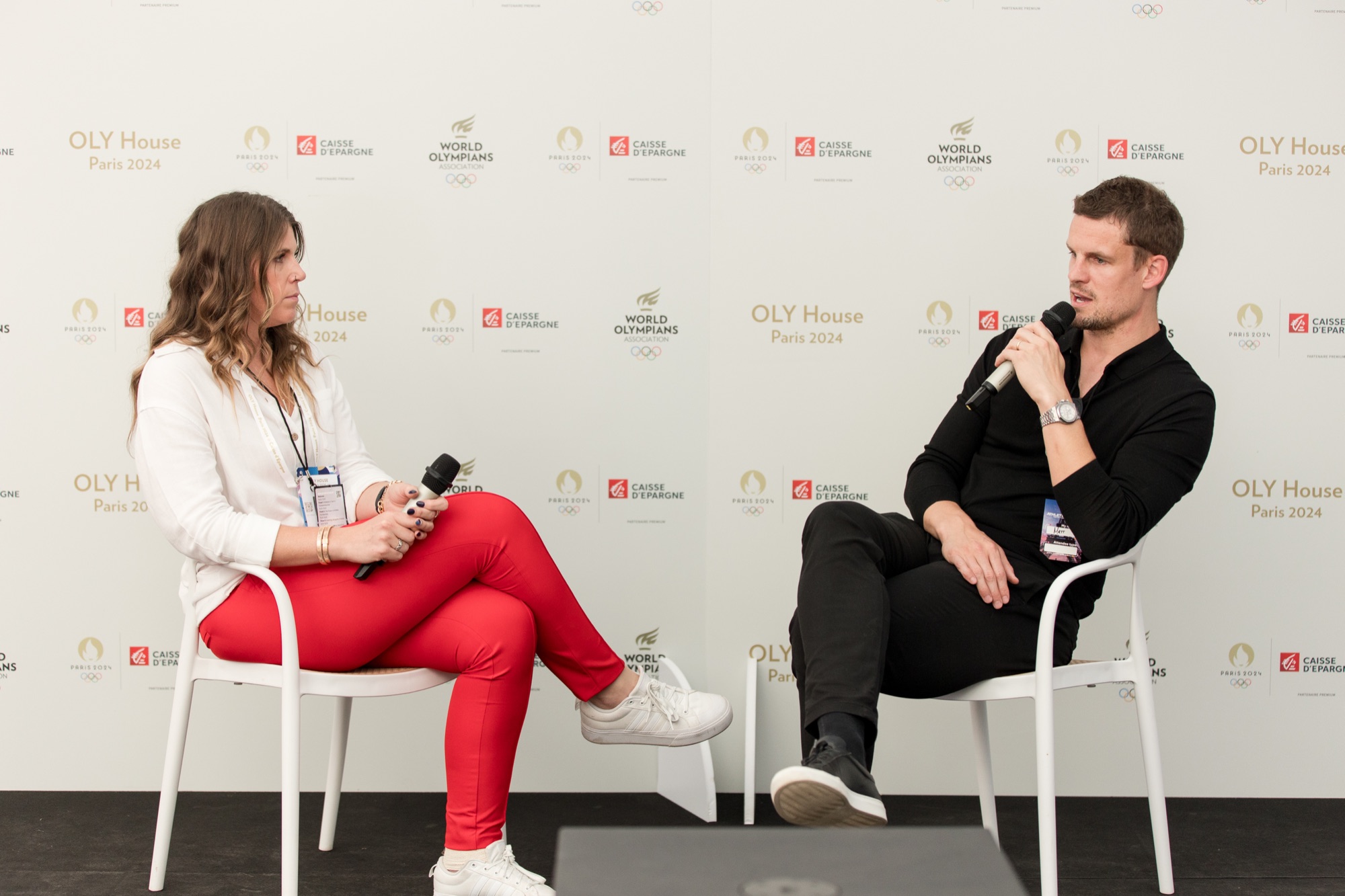
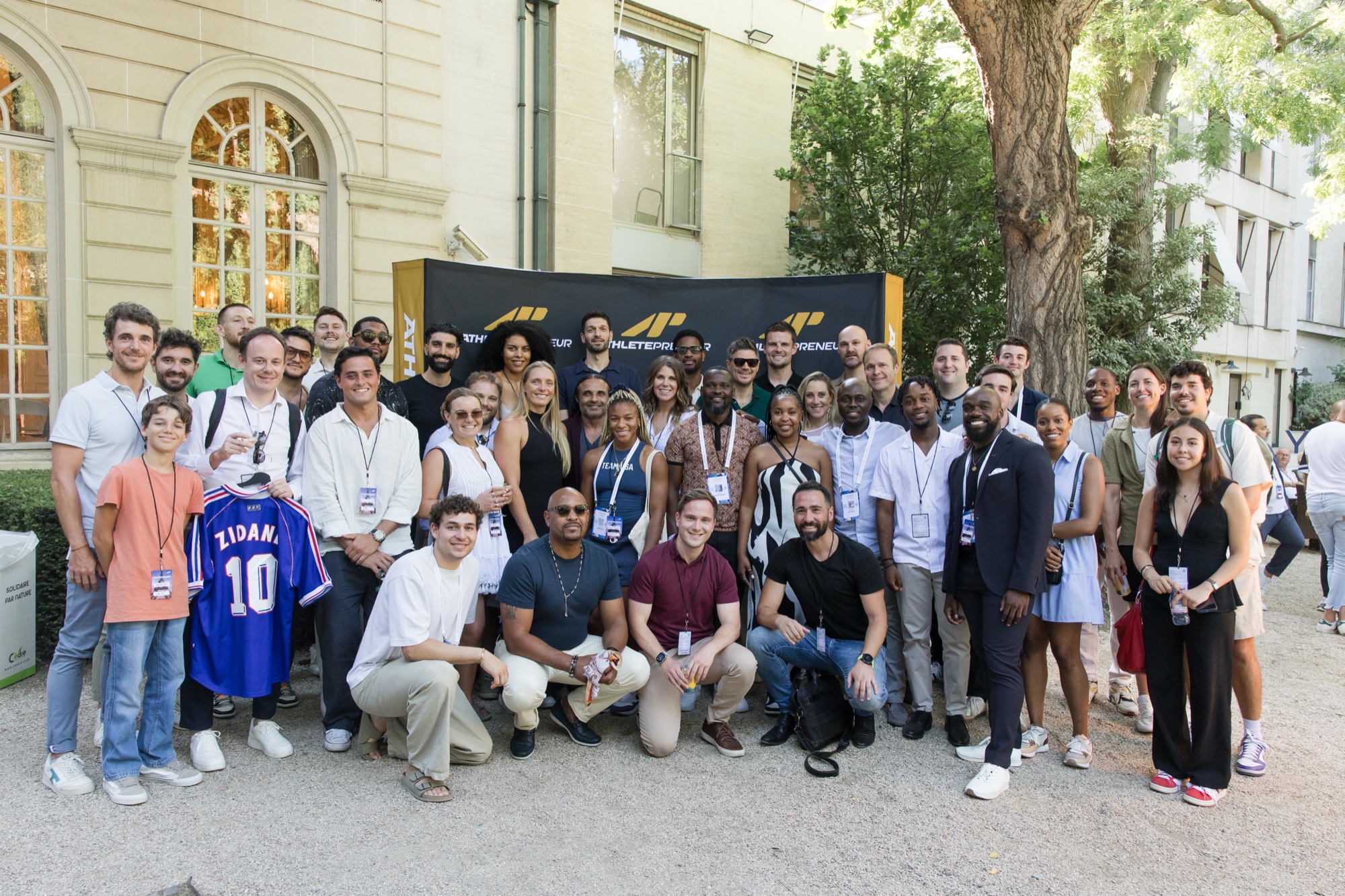
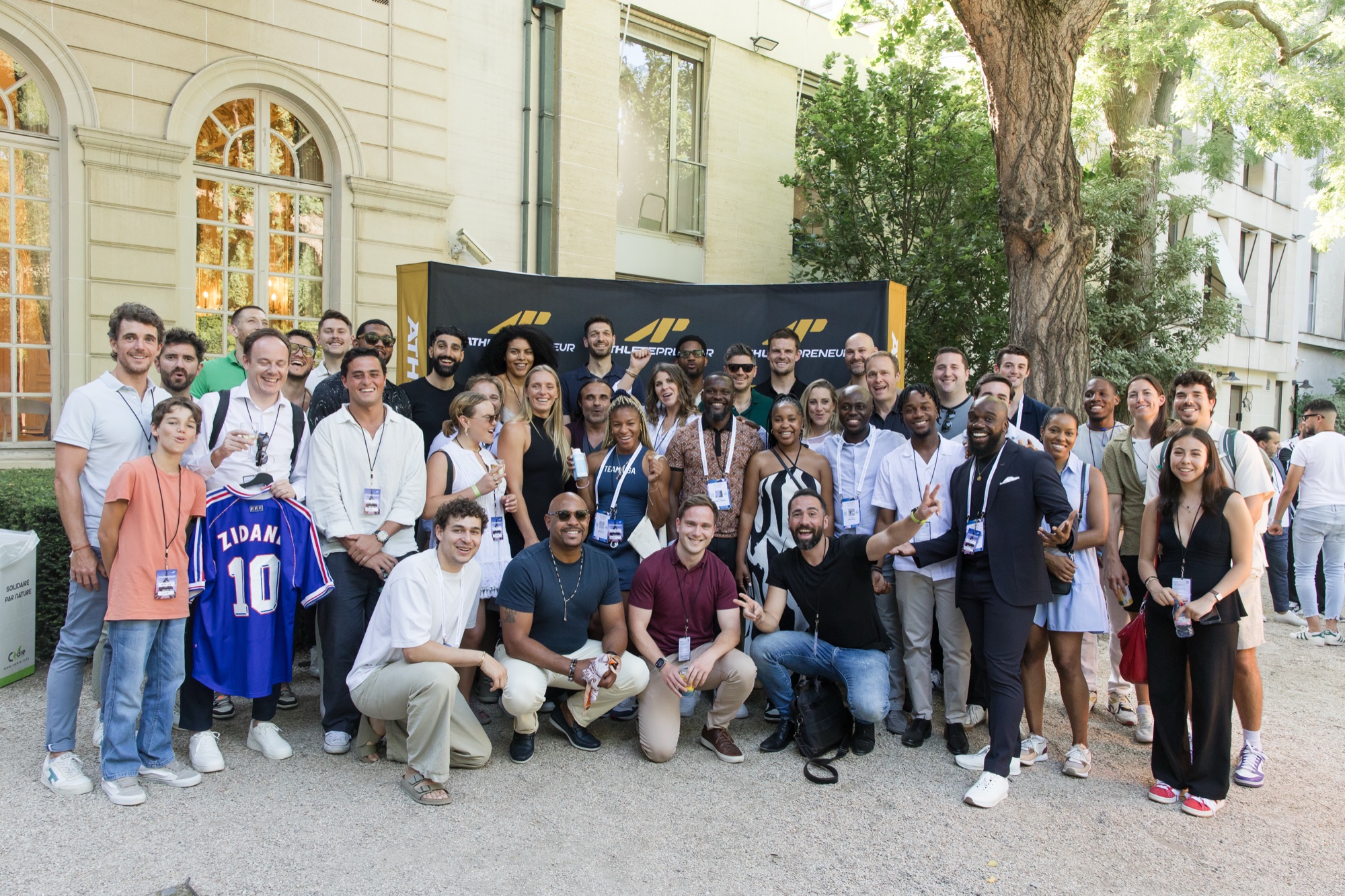
HTX Sports Tech Summit — Ford Field, Detroit
Zero to one, on repeat.
Gregor Diagnostics as Director of Operations — cancer diagnostics, $20M+ regulatory strategies, the whole thing. Then Salmon Health, building a single source of truth for athlete supplement safety. I loved solving problems and connecting people, so the startup world felt natural.
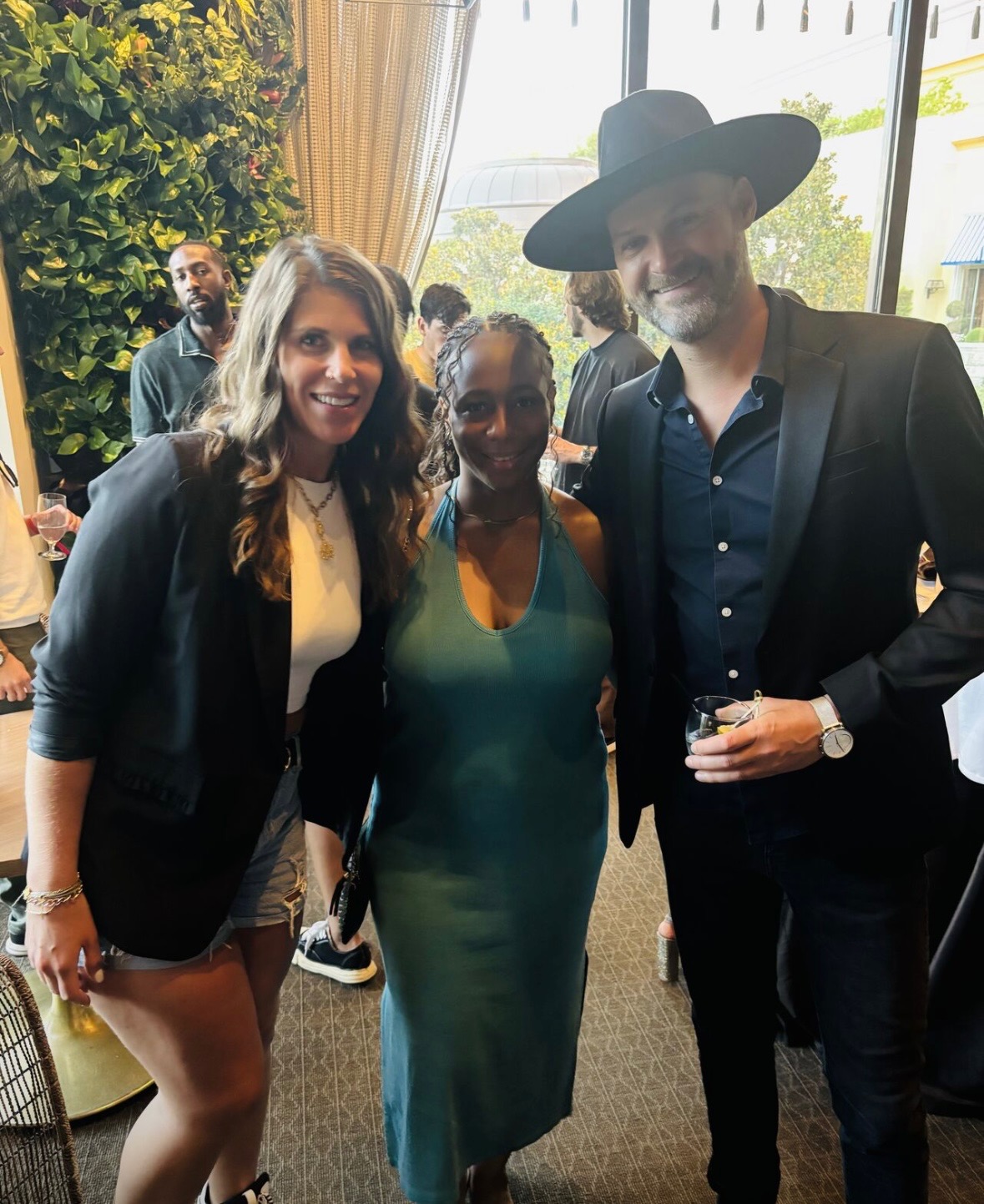
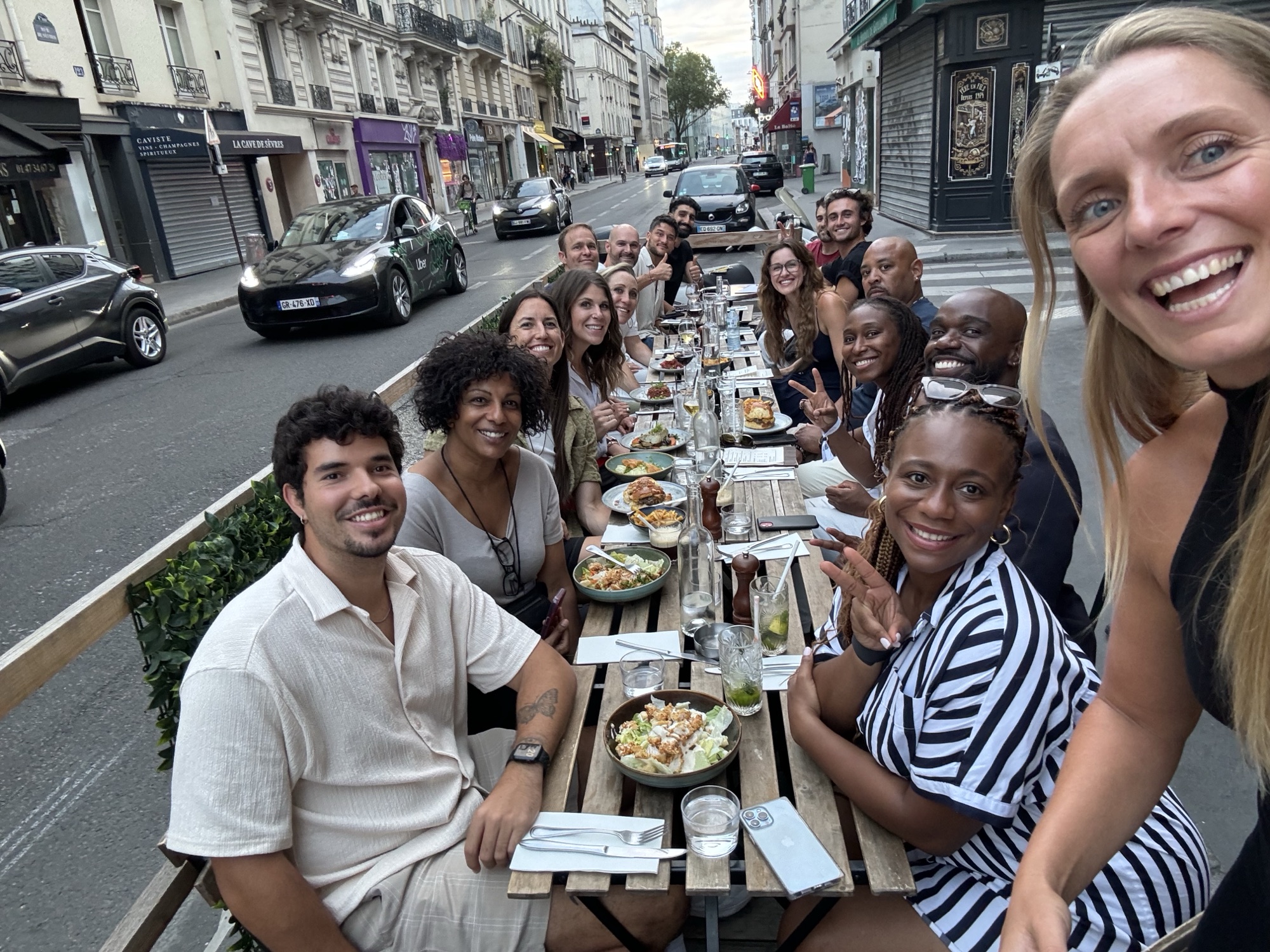
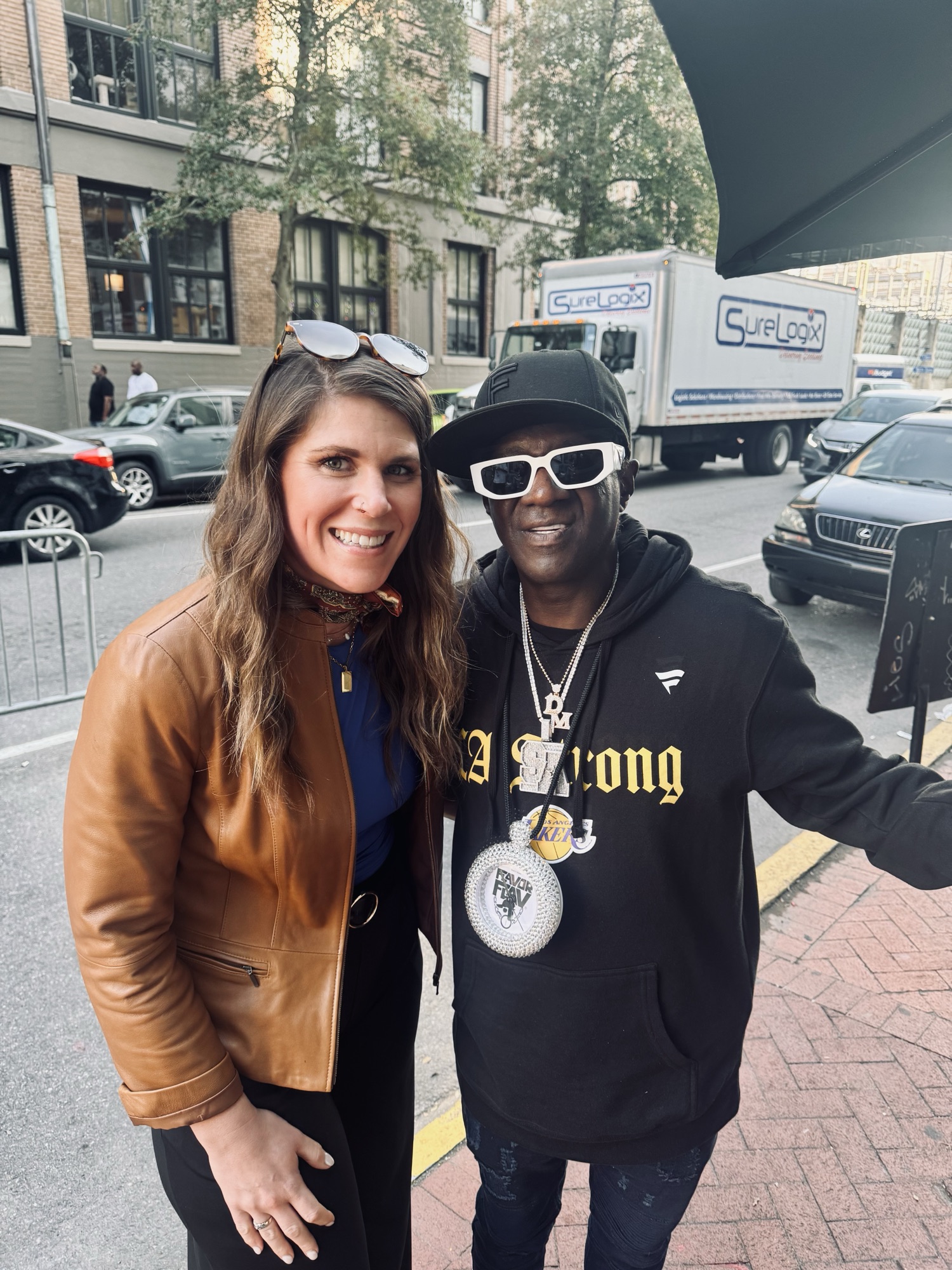
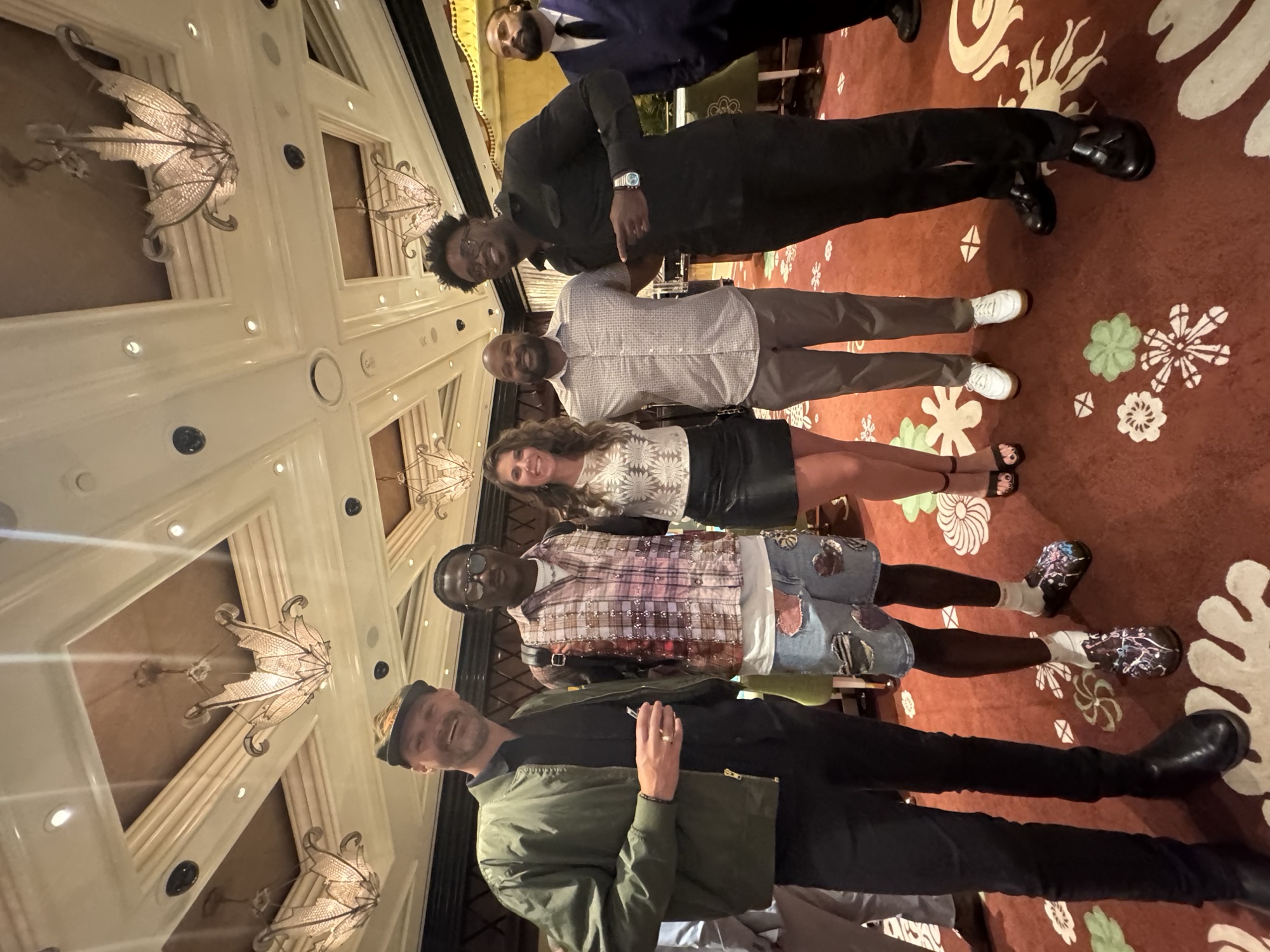
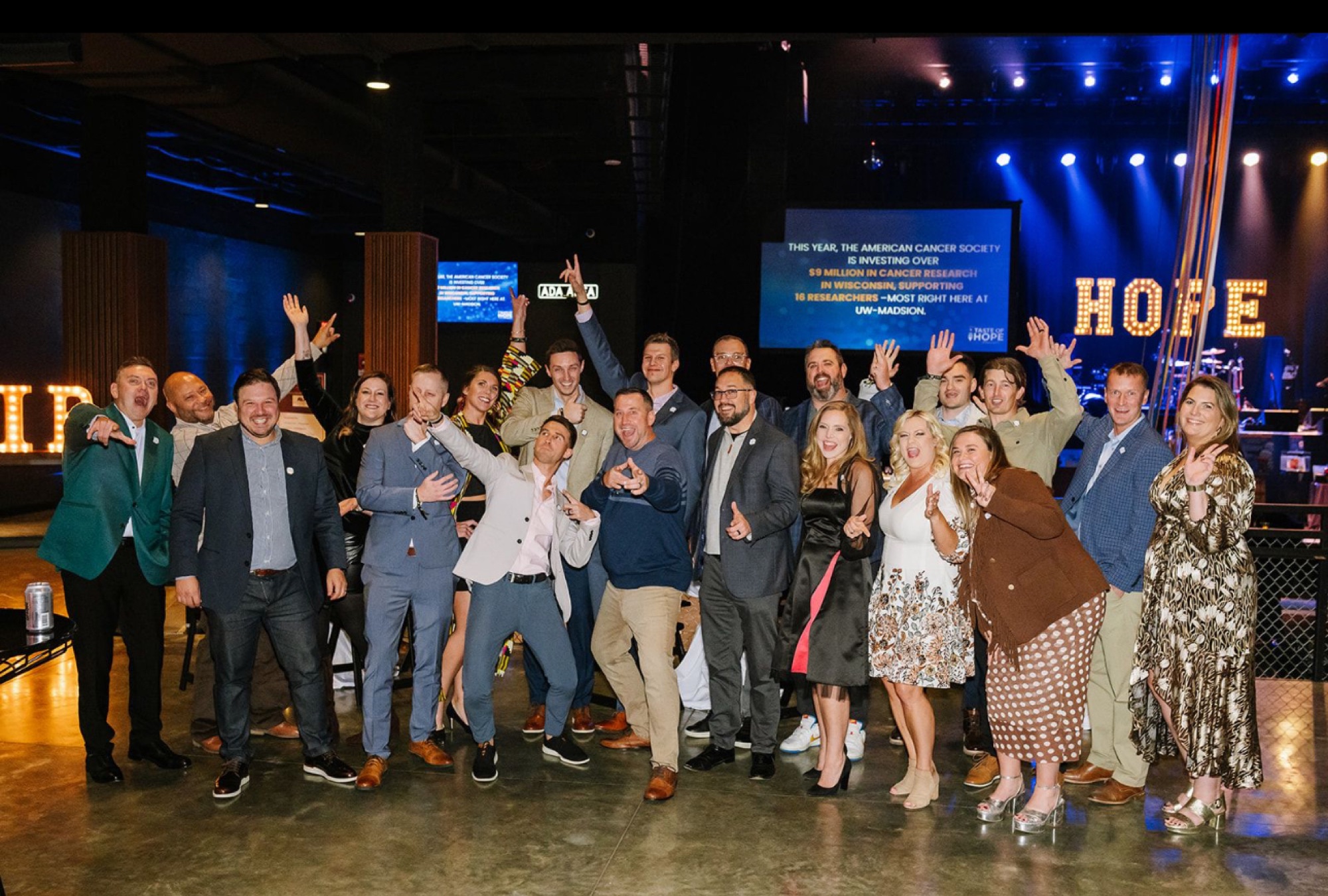
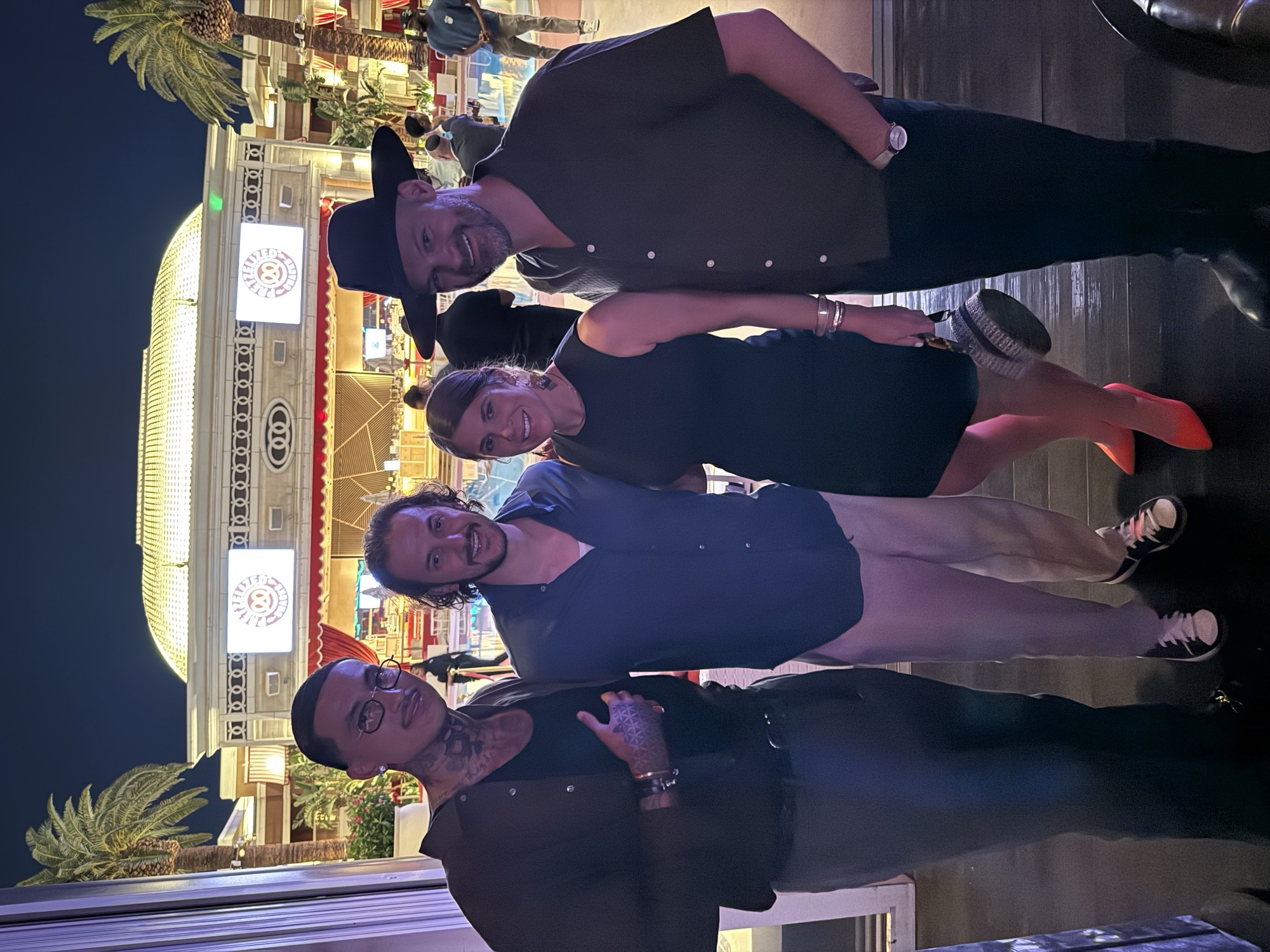
Next Legacy Networking — Las Vegas Summer League
Then I went to where the money actually moves.
At Alumni Ventures I watched hundreds of founders pitch — and kept seeing people solving problems that had already been cracked in a completely different industry. Nobody was looking sideways. That's kind of my whole thing. I look sideways. I've built 150+ institutional partnerships by being the person who connects dots others don't see.
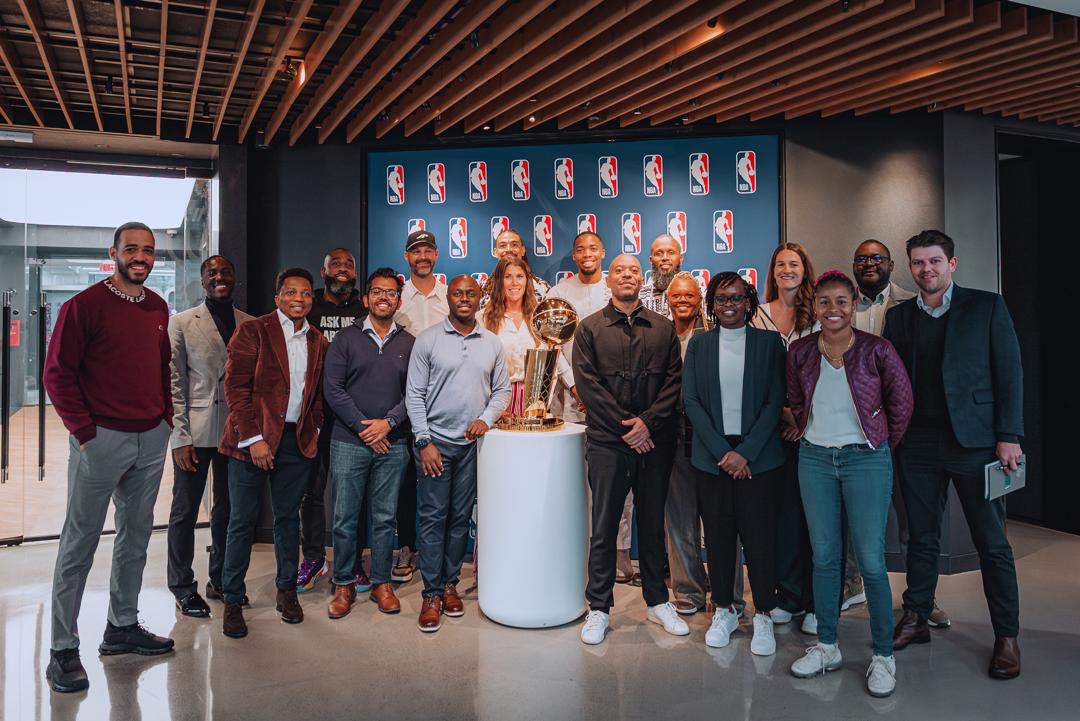
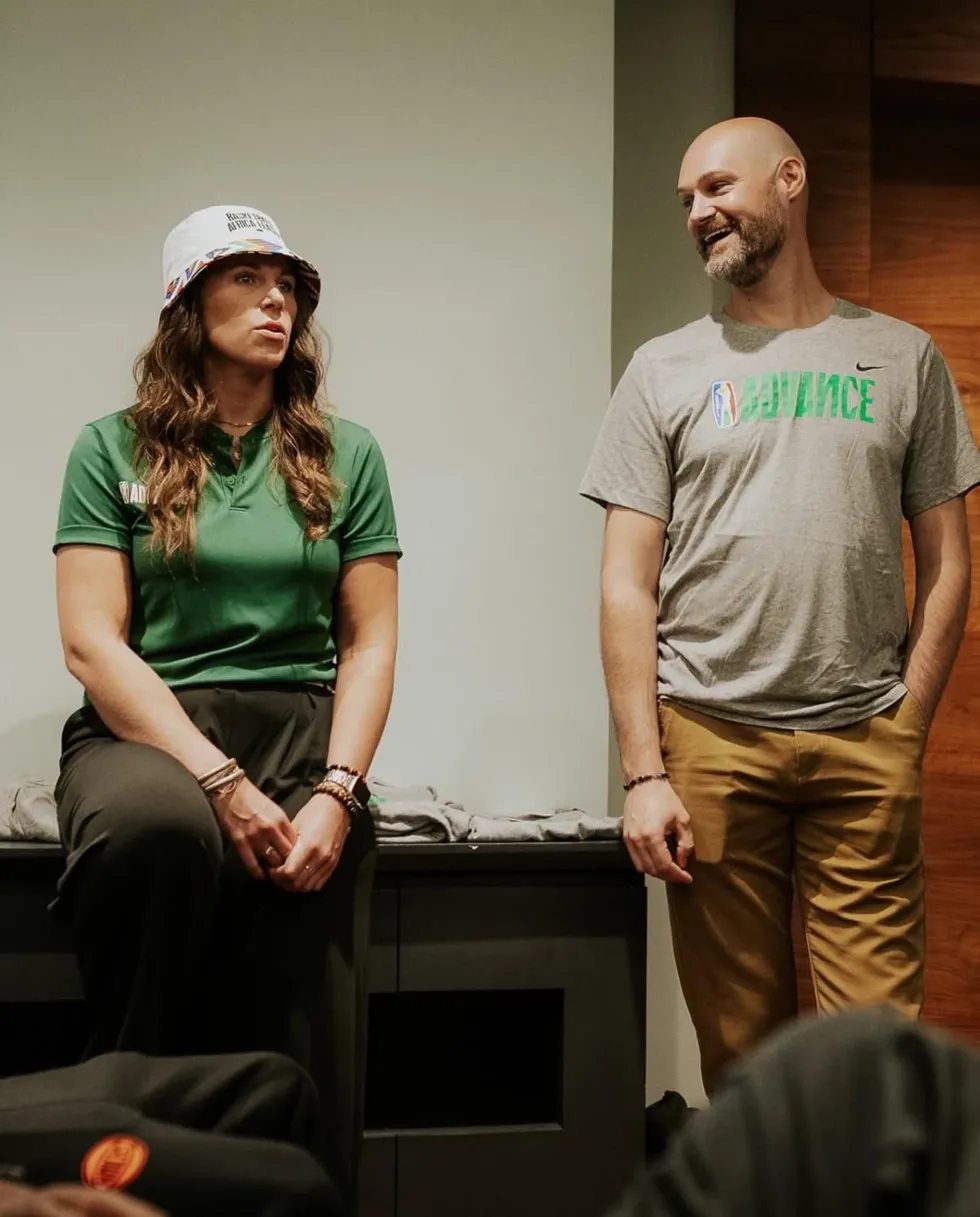
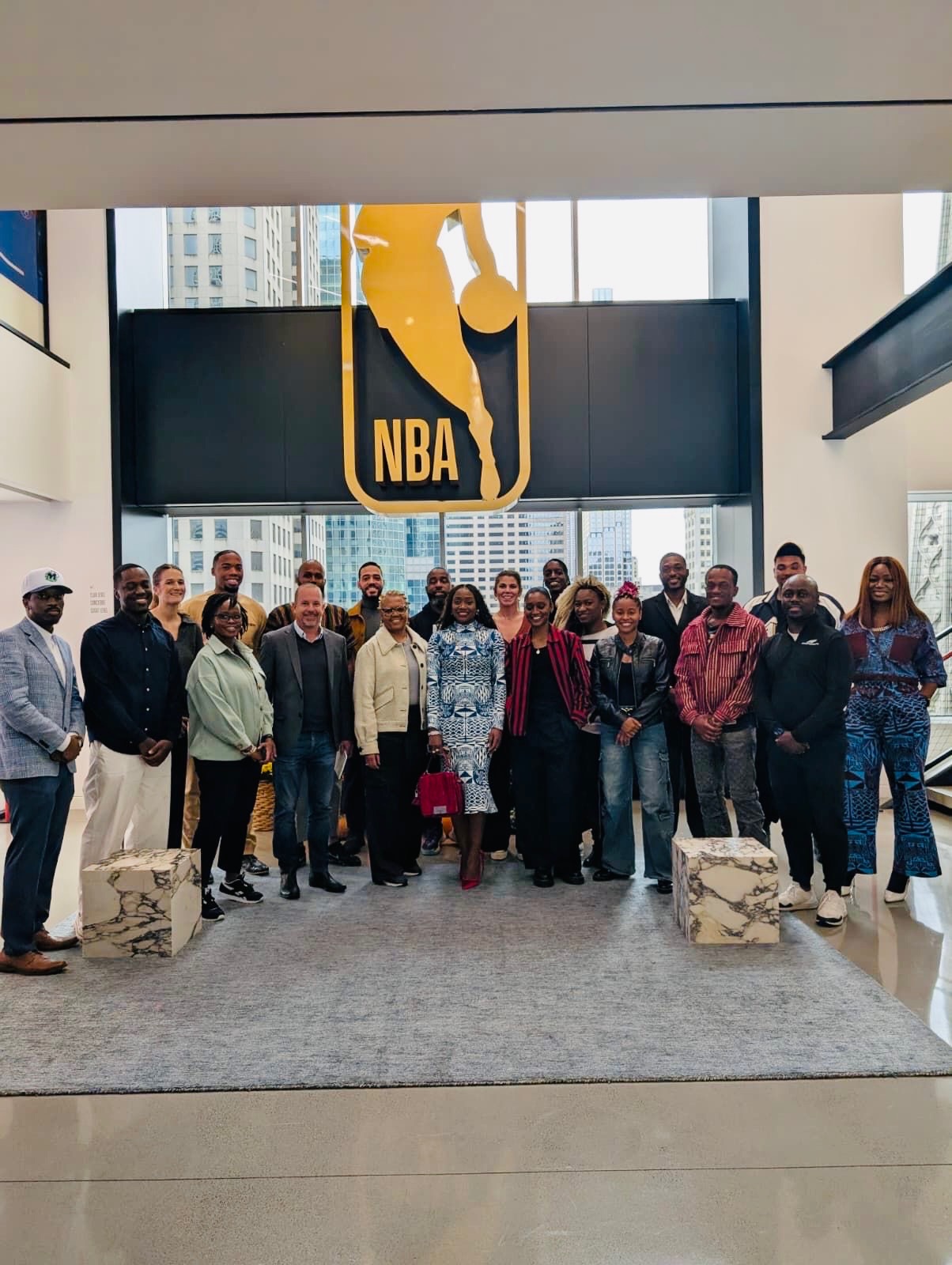
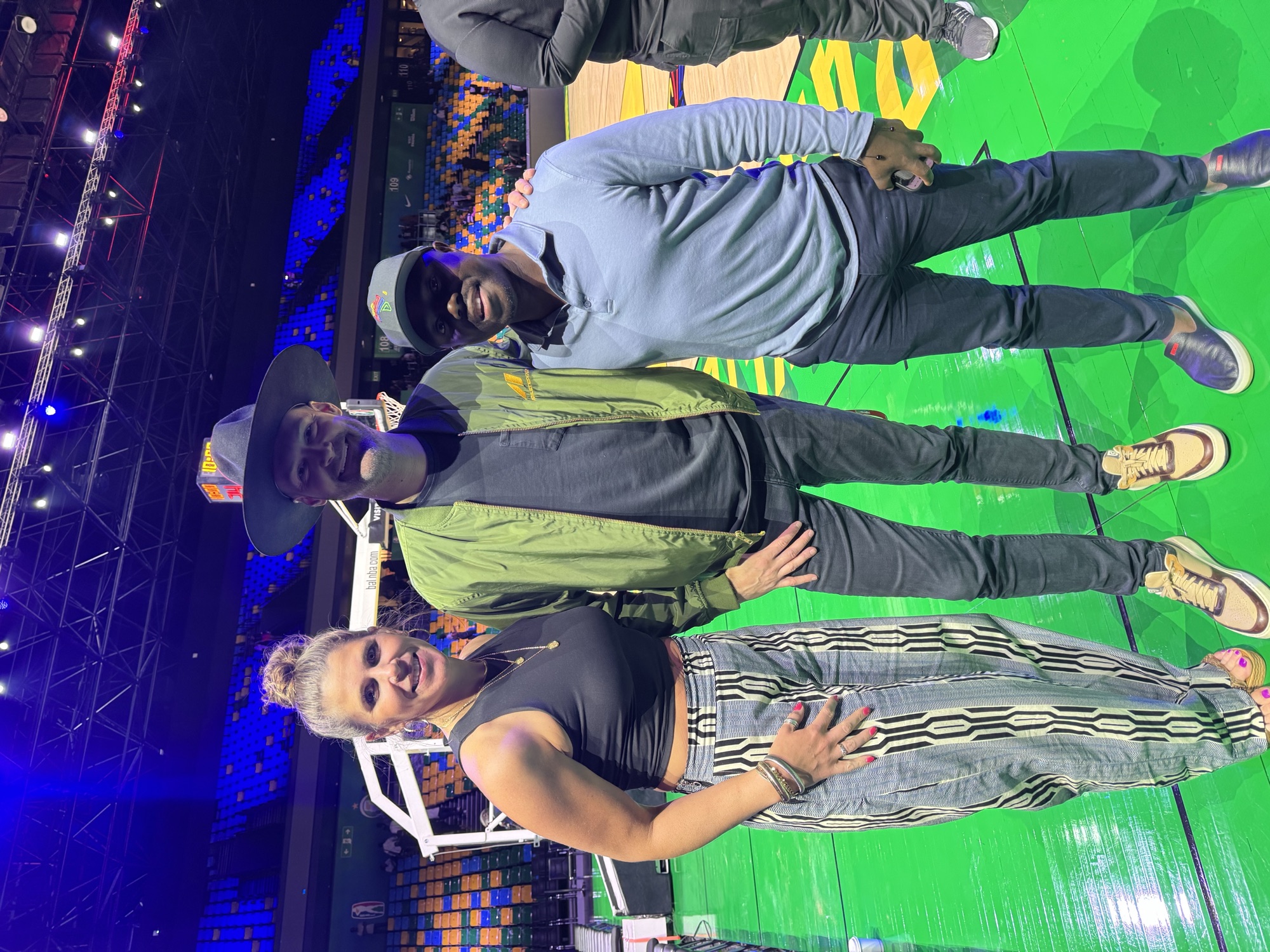
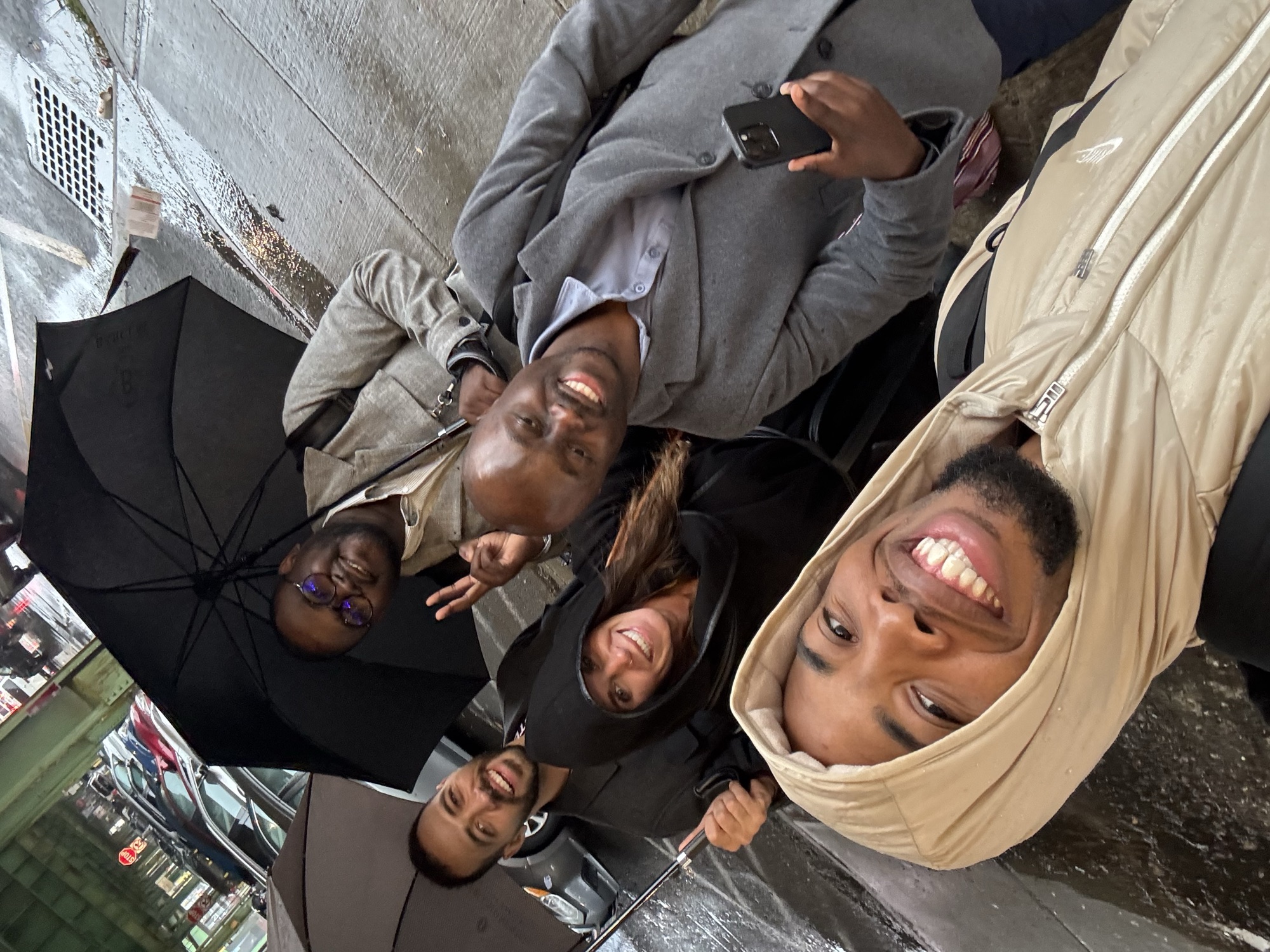
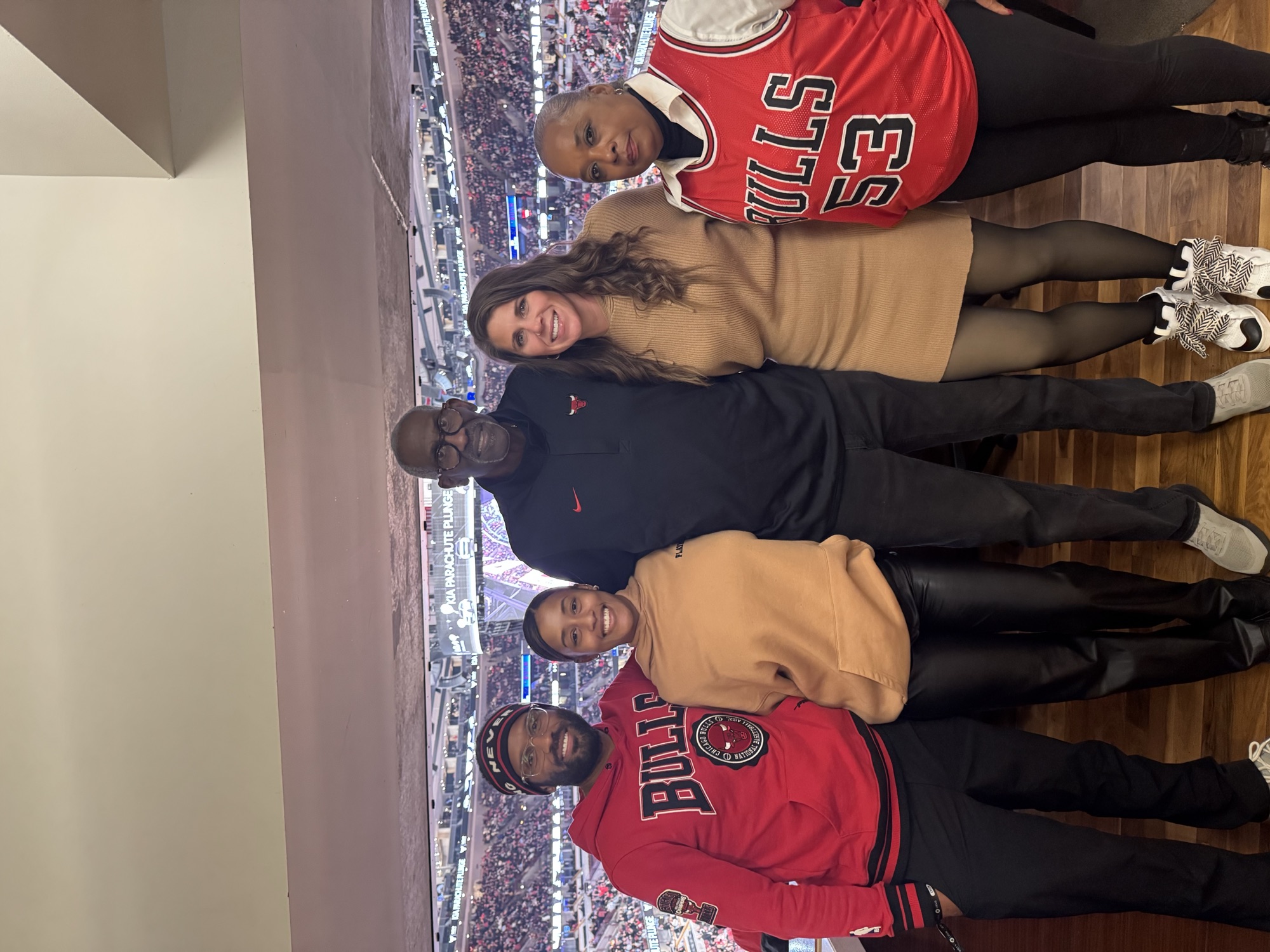
BAL Advance Next Play — NBA HQ, New York
Athletes as partners, not billboards.
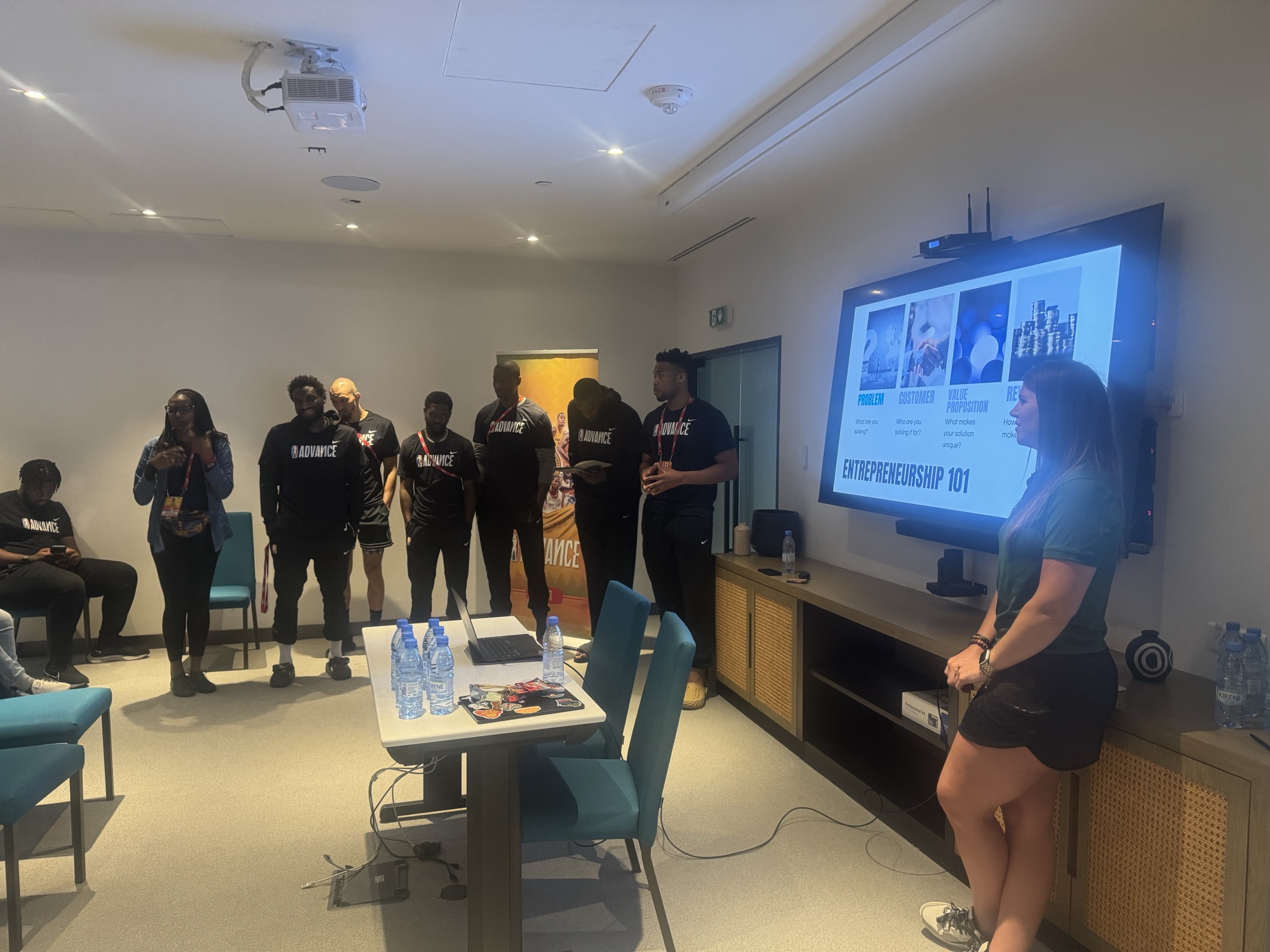
Through Athletepreneur I work with pros, Olympians, and collegiate competitors — as partners and co-investors. NIL isn't just posts. It's Return on Influence: board seats, advisory roles, ambassador engagements, and real equity positions that teach an athlete how a company actually works. That's what changes careers after the game ends.
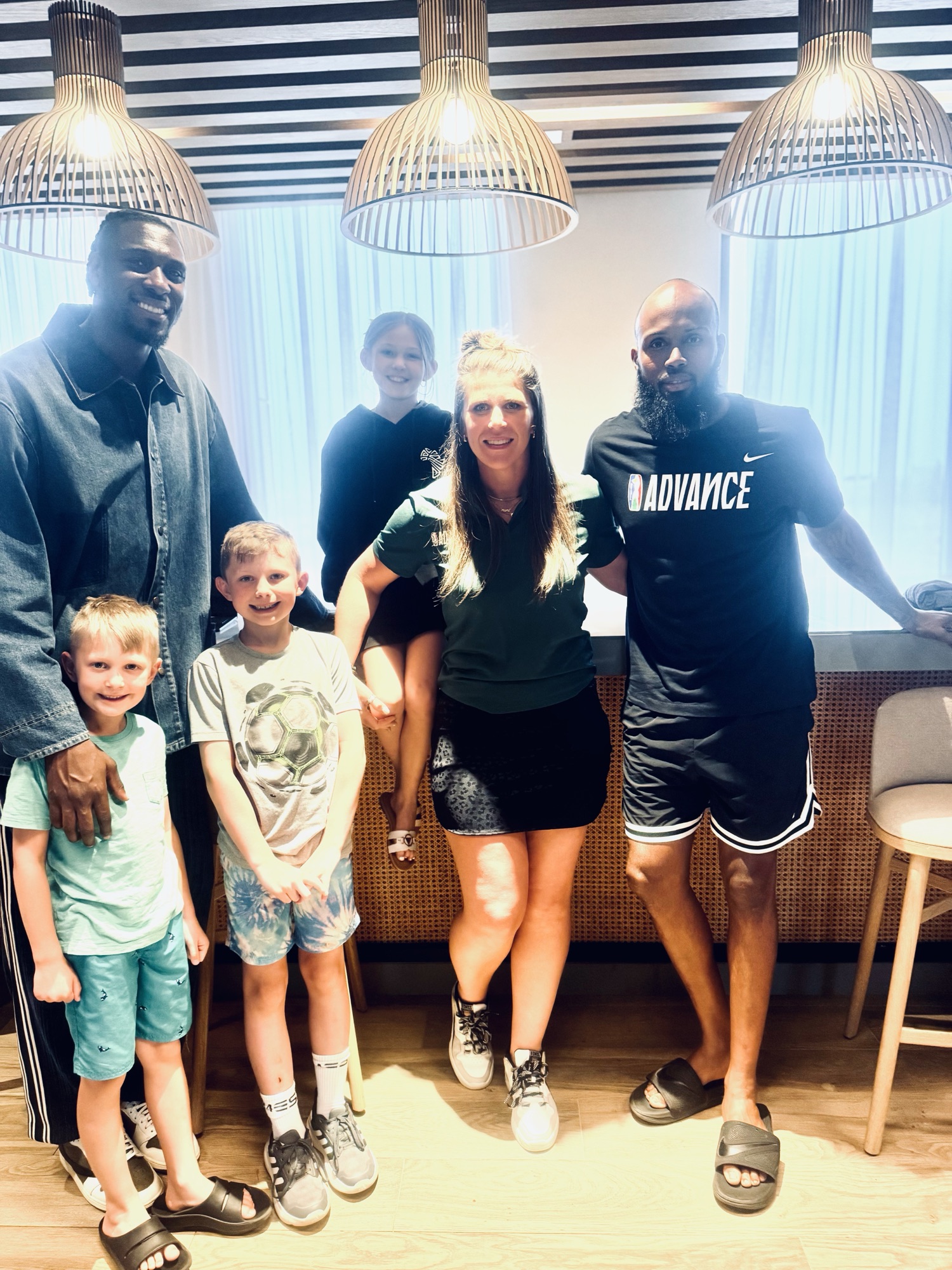
Emily doesn't just know people — she knows exactly who you need and why. She met me in Africa, understood what I was trying to build before I fully did, and connected me to the right team within days. She's been in my corner every step of the way since. That's worth more than gold.
— Professional Basketball Player & PLYA App Founder
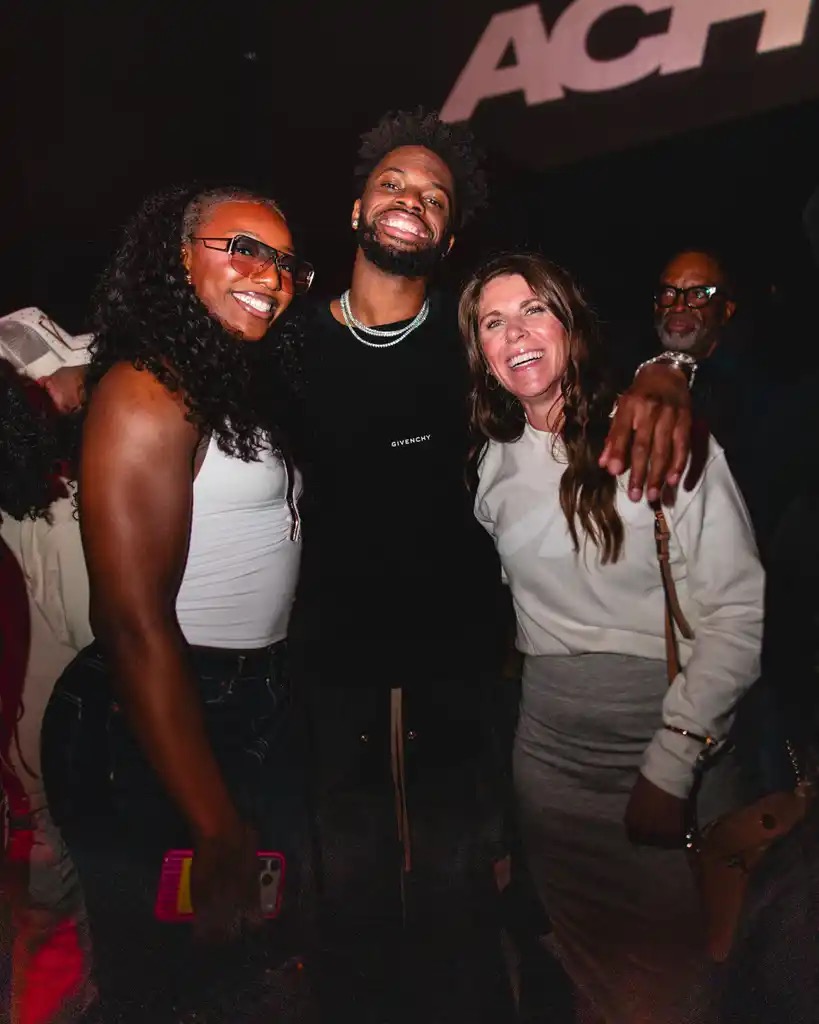
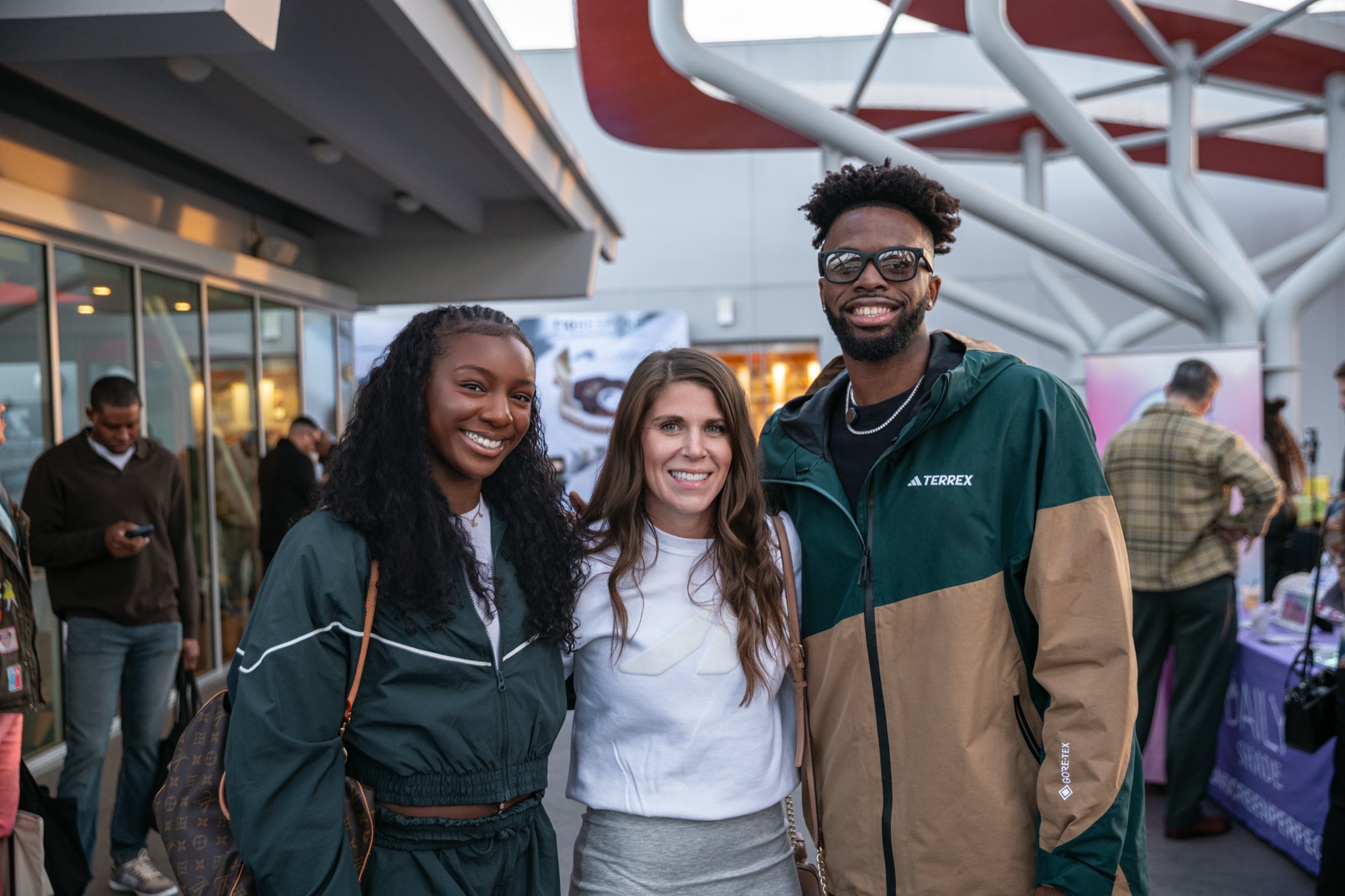
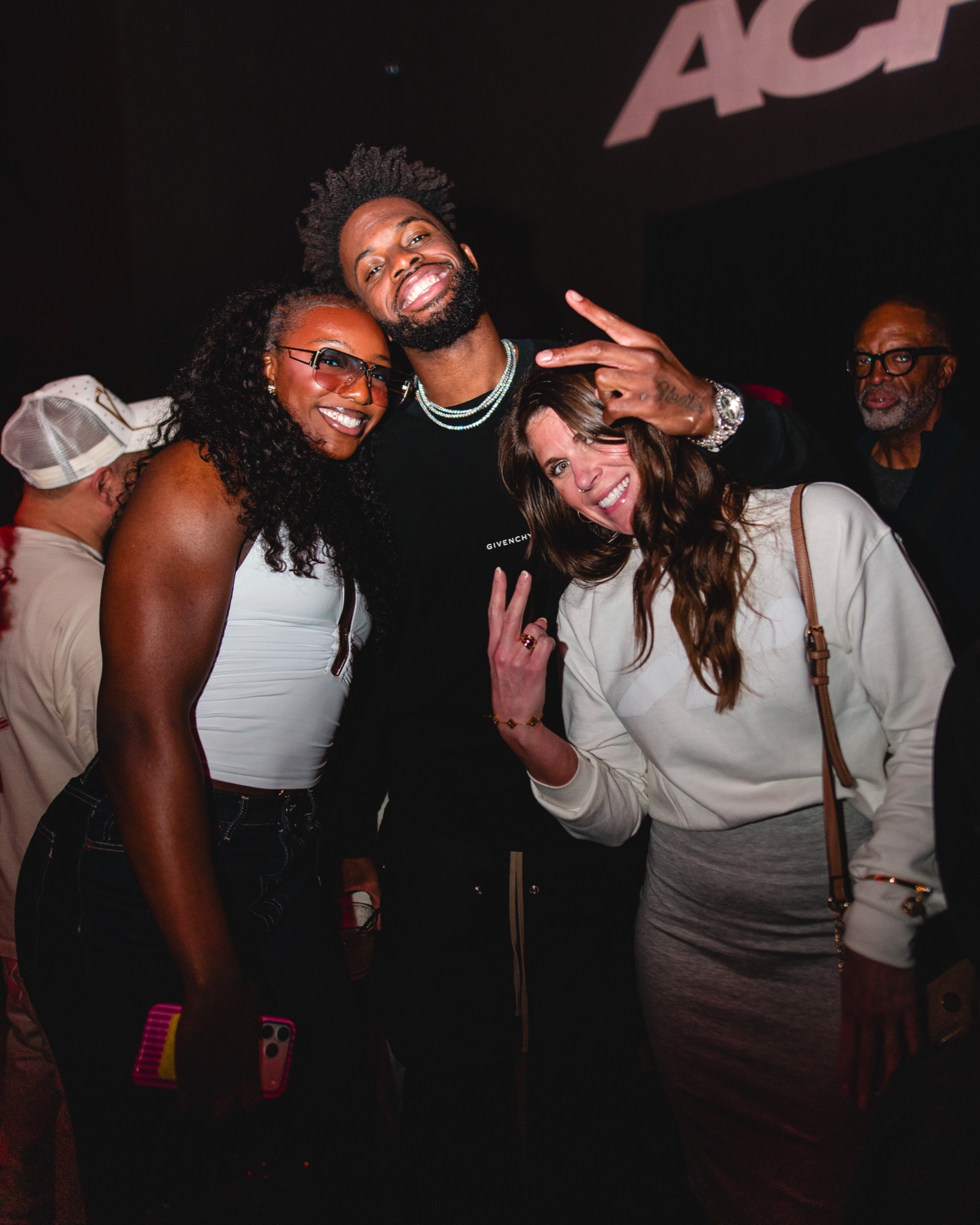
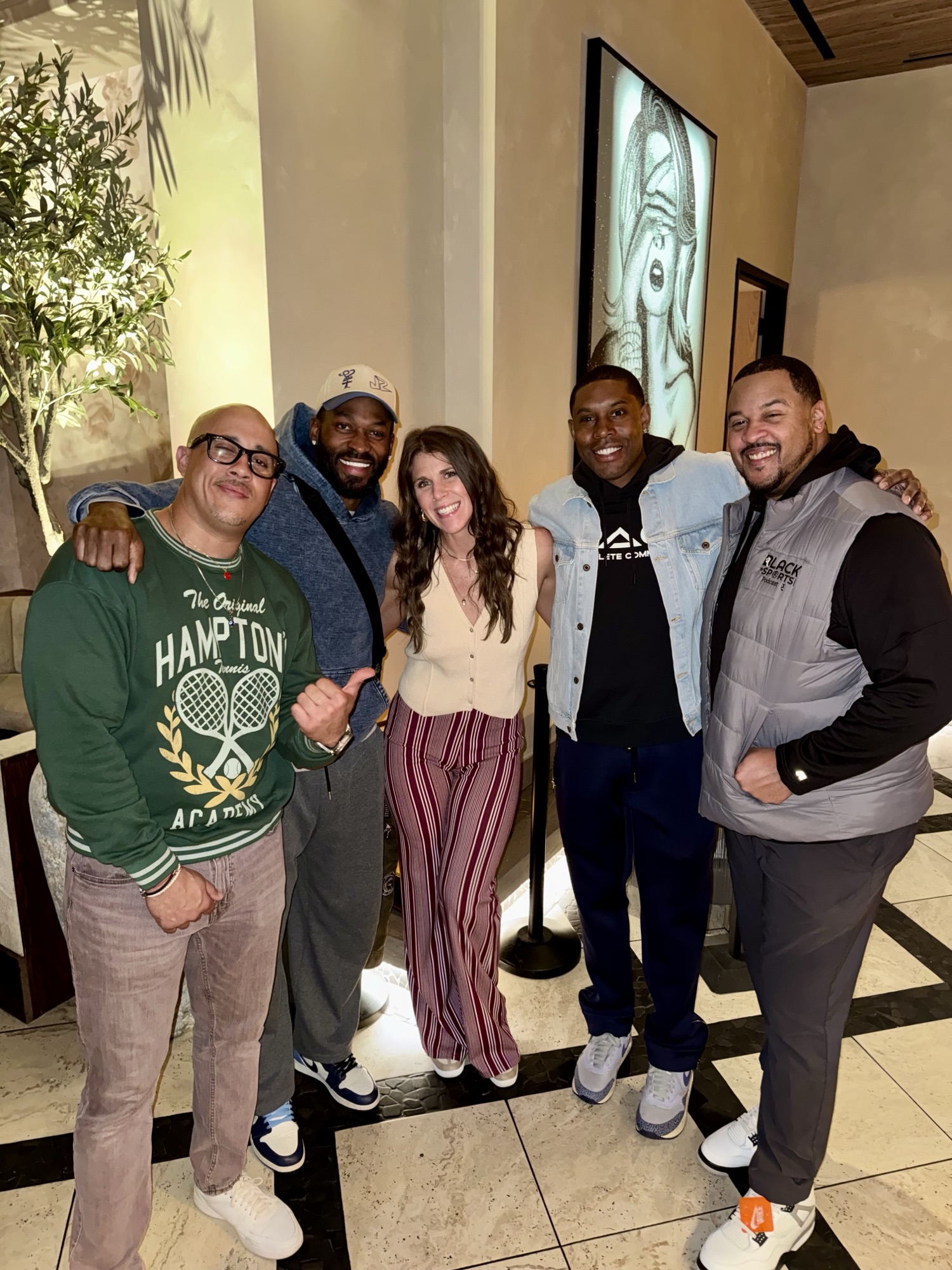
NBA All-Star Weekend — Devine Eke + Michaela Onyenwere
No AI hype. Just leverage.
At 33 Strategies, the AI transformation firm I co-founded with Mbiyimoh, we build products and systems designed to extend what one brilliant person can accomplish — exponentially. My official title is Czar of GSD. It's accurate.
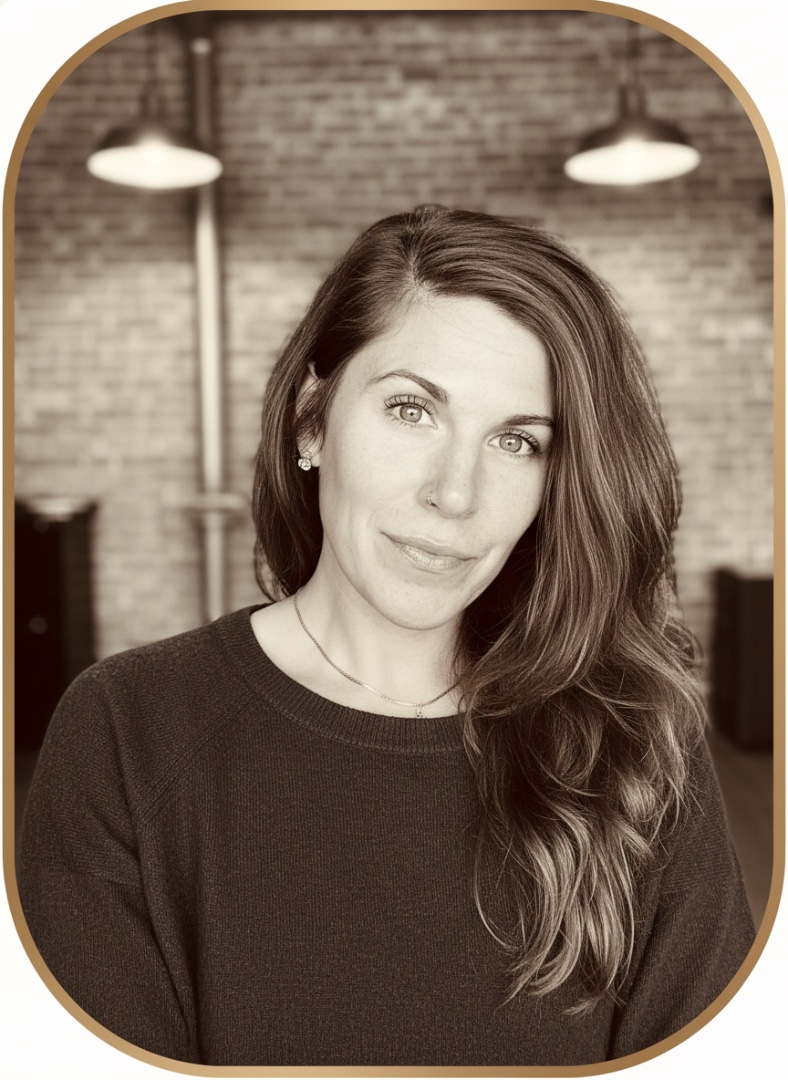
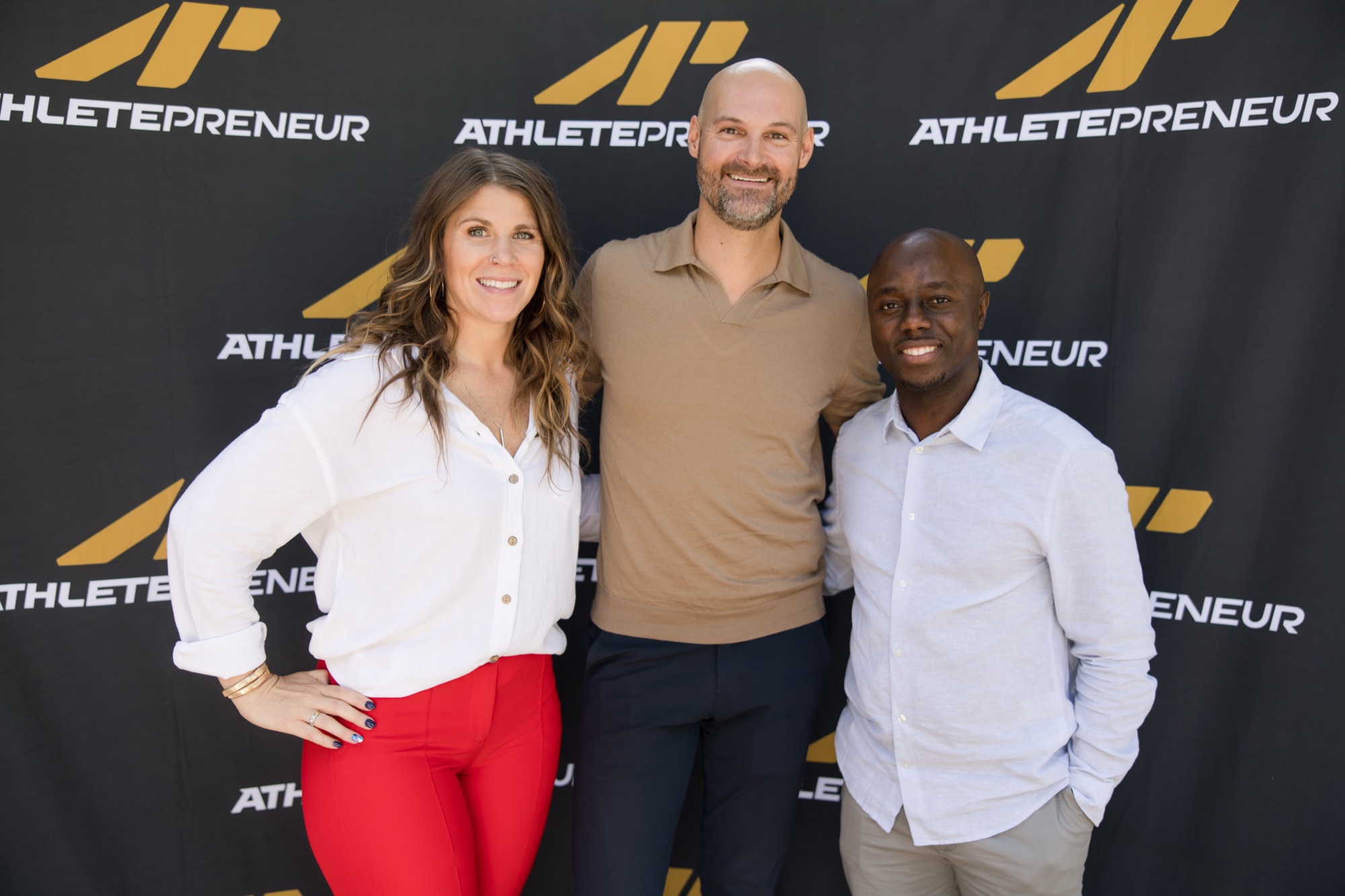
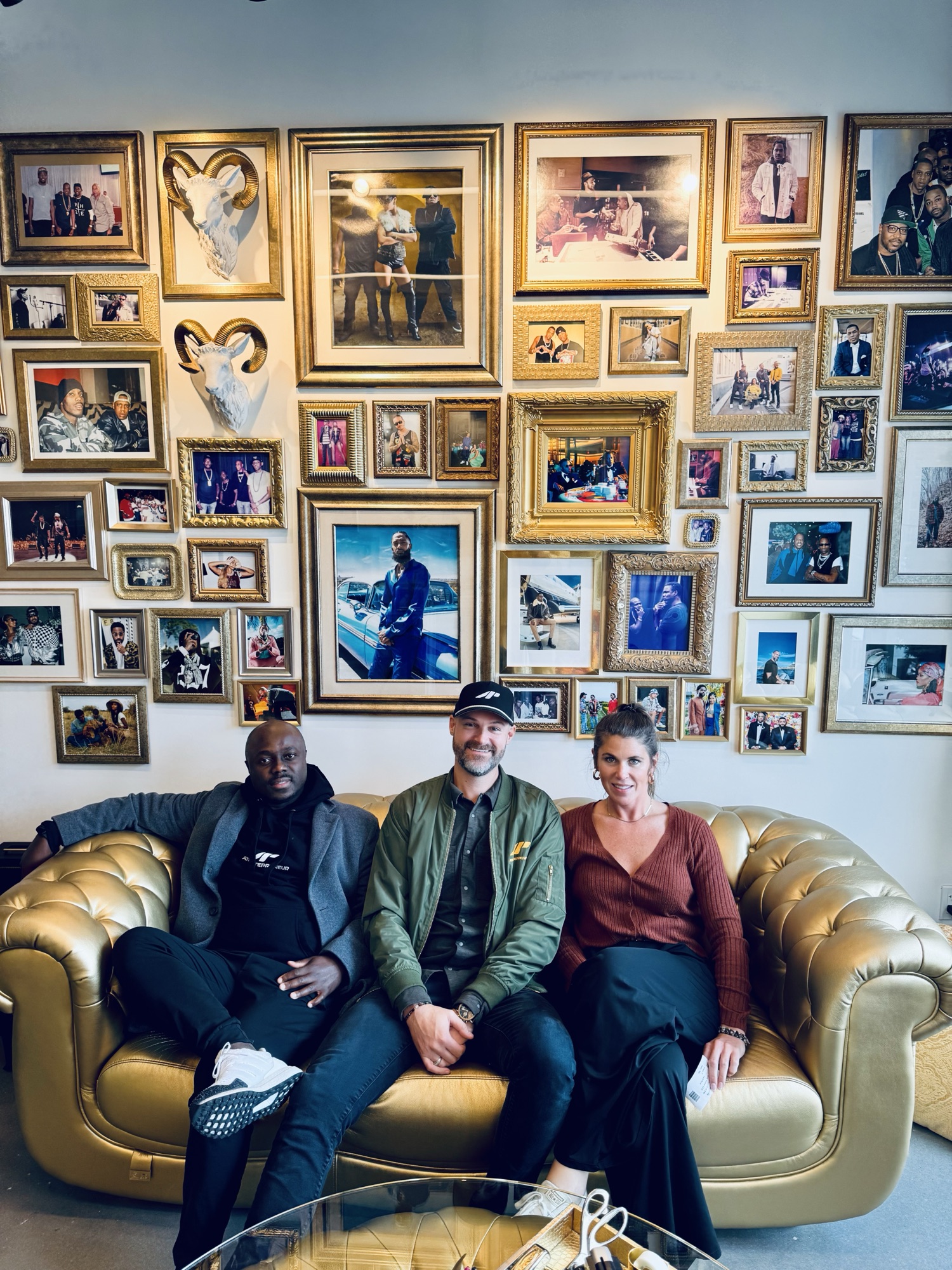
No Edges — 33 Strategies launch, SXSW Austin
My superpower is my rolodex.
Competitive volleyball player, longtime Wisconsin club coach — athlete empathy in every room. A scientist's rigor. An operator's follow-through. I will absolutely corner you at a conference and ask about your bottlenecks — because when you tell me what's breaking, I don't hear complaints. I hear puzzle pieces.
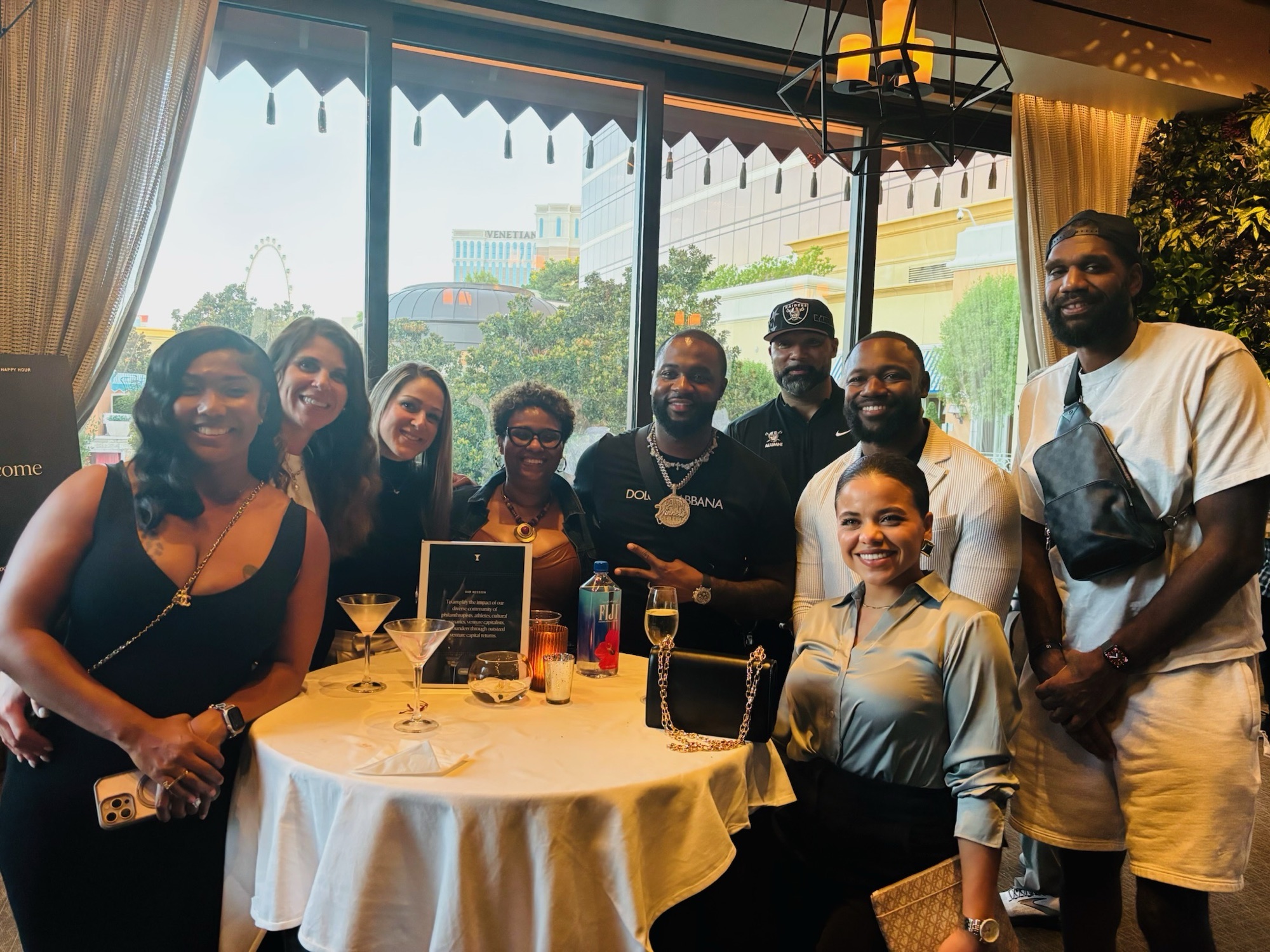
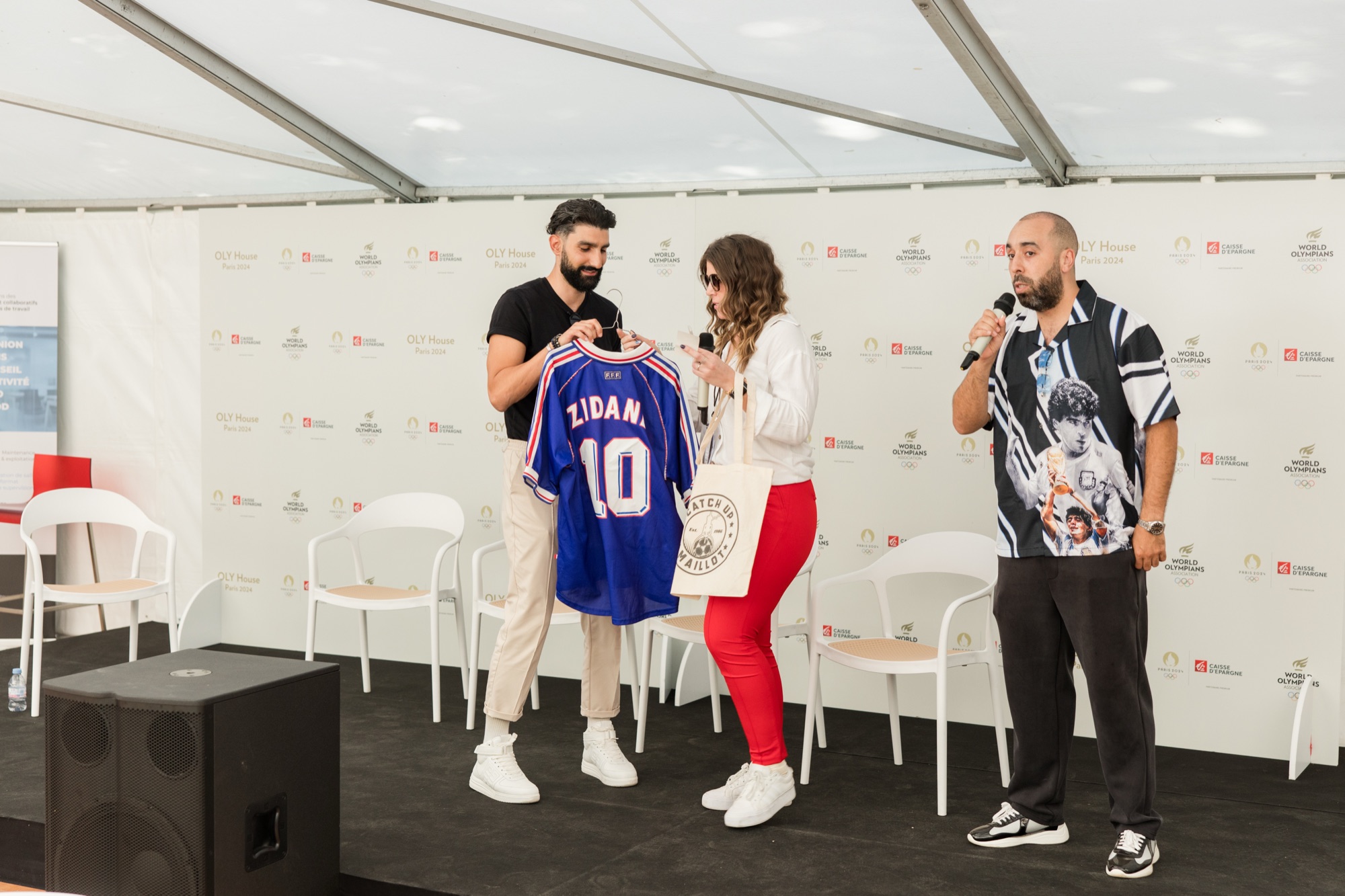
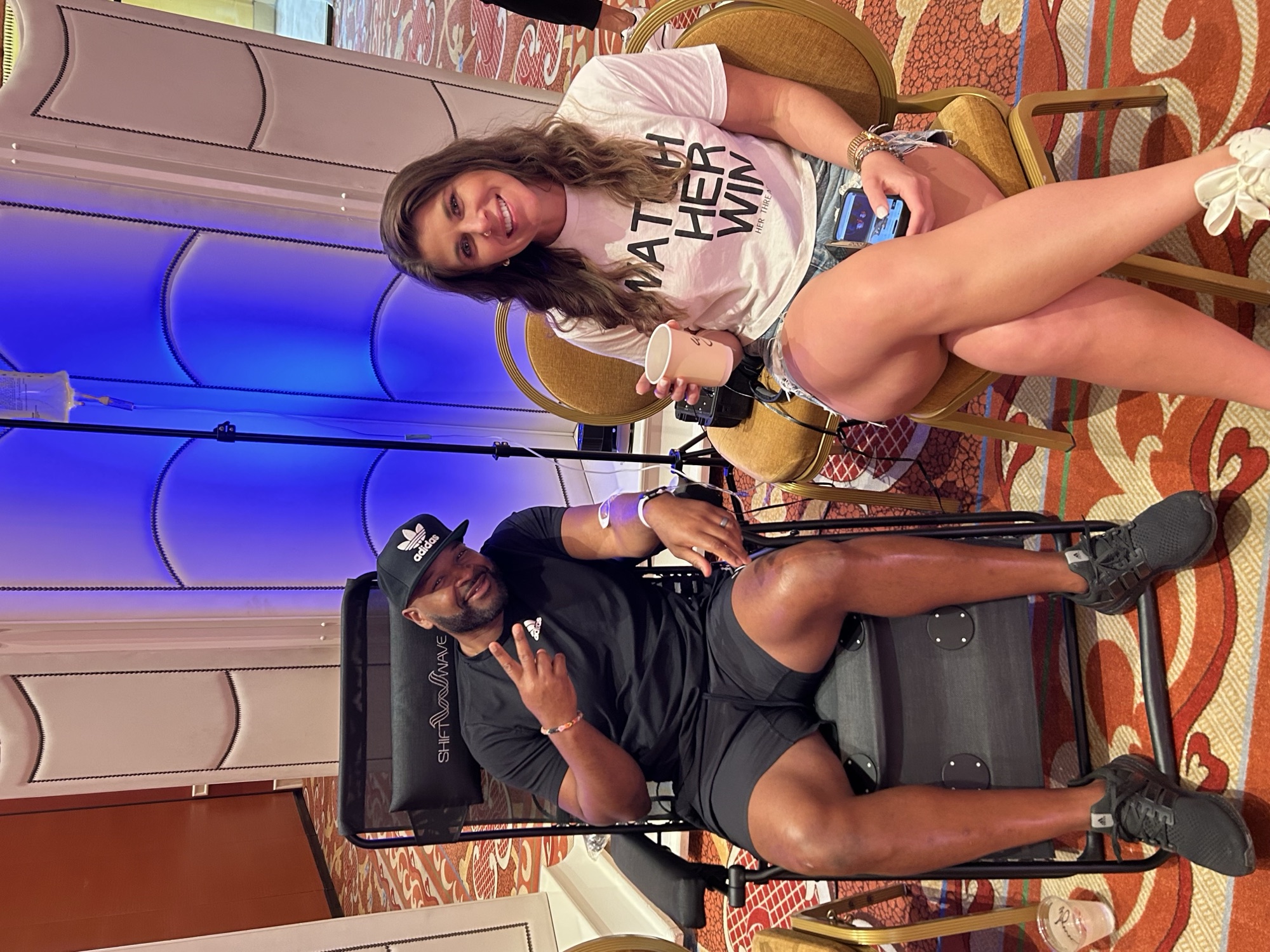
Next Legacy Networking — Las Vegas Summer League 2025
You'll get an intro before you get an invoice.
That's not a strategy. That's just how I'm wired.
Let's chop it up